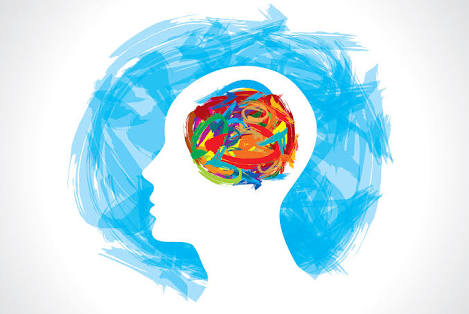
We navigate our way through life, facing a number of challenges – some well within our control and others, outwith any means of control or reasoning. We worry about problematic fears; the what ifs, should haves and could have thoughts. Lots of energy can be channeled into protecting ourselves against the negatives, but how much is too much worry and what does that do to our health and those around us?
In this 2 part blog I will take a look at our mental well-being, mindfulness, challenges we face and lessons learned from living and working abroad. Part 1 aims to discuss our mental health and factors affecting stress. This blog is for everyone; the teachers, expats, health care professionals, self-employed, engineers, farmers, family and friends. Please note my intention is not to step on any toes, I am taking this opportunity to discuss a very delicate issue that we all face. I have reflected on personal experience to open up and show that it is always ok, not to be ok… I would welcome honest feedback on this one and feel free to comment and give personal opinions or experiences.
Mental Health (let’s talk about it and recognise we all have it).
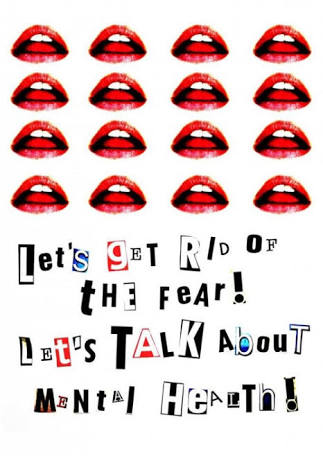
The good thing is that, this is the greatest and most opportunistic time for discussing and acting upon our mental health.
Only a matter of years ago mental health and other non physical well being factors were swept under the rug. Now we are having conversations in our communities and seeing awareness build in the media. There should be no shame in admitting to struggles with our mental health. It should be just as straightforward as a conversation about our bad backs…
Chemicals Everywhere (primitive brains explained at a Leadership workshop).

We are ruled by chemicals, and they are designed for our very survival in sometimes extreme or hostile environments. In modern day reality, we live in safe comfortable homes far from sabre toothed tigers and life threatening decisions.
These chemicals hold so much power over us that a lot of our behaviour and many relationships are created and shaped in their presence.
Let’s take a look at 4 of them;
Adrenaline
Adrenaline is our safety chemical, the fight or flight response can be initiated in the presence of adrenaline and its buddy cortisol. This curses through our bloodstream when we predict or sense danger. Now, in our everyday lives we do not experience life or death scenarios as much as our ancestors did and therefore we don’t have to physically move, fight or prepare for battle. What we’re left with is an oversupply of stress hormone in our bodies because of problematic dangers experienced through interaction with problems and nowhere to channel our adrenaline.
Serotonin
Serotonin keeps us alive by searching for significance. This chemical is responsible for feelings of pride and status. Everything that we do is in search of a little or a lot of serotonin and can lead to great acts of kindness as a trade off for a hit. This is a positive chemical present in strong communities and teams allowing people to help others, create trust and contribute whilst in quest of their own belonging.
Oxytocin
Oxytocin is the one we rely on for creating connection, human connection specifically. This chemical is released through human proximity and promotes survival as part of a pack rather than individually. You will see truly great leaders adapt to their situation with grace as they adopt behaviours of the group to allow for greater connection. Humans are social animals and require this chemical for self preservation and survival of the race as without it we couldn’t reproduce and sustain strong bonds with others.
Dopamine
Dopamine provides us with the need for growth and development. Dopamine is a reward chemical, it is highly addictive and can be toxic if released too often. Generations ago this chemical allowed us to continue to hunt and forage as we received a hit when we picked a berry or 2 and had the motivation to carry on and collect enough for the family. Now, we are seeing a dopamine epidemic as tech companies manipulate our brains – rewarding us for posting pictures that recieve x amount of likes or gaining points on a game or streaks on snapchat. The brain does not rationalise the behaviours that lead to the release of dopamine and this is especially dangerous for young people whose brains have not yet fully developed.
Stress, the silent creeper (experience as a cover teacher in Melbourne).

As someone who grew up with huge amounts of oxytocin and serotonin from my immediate family and community, a change in environment and work brought about a change in chemicals. My behaviours and responses acted in an unnatural way and I experienced unfavorable conditions in my work. I knew that something was not right when I felt an increase in negative thoughts and at times felt out of control of my mood. The increase of adrenaline and dopamine created the perfect conditions for stress to thrive.
The presence of adrenaline is experienced throughout life. This can be extremely useful in sporting performances, presentations and acts such as childbirth… but since I was doing none of the above I started to experience the adverse effects of stress.
The following can be experienced during presence of unwanted stress; mood change, eczema, feeling low or flat, apatite change, fatigue, insomnia, restlessness, impatience, loss of memory or sense of humor.
Now, I’m no doctor and not claiming to give medical advice but speaking from personal experience I know how I felt a mix of the effects listed above. **
My experience led to physically shaking when trying to sleep at night. I felt tired most of the time and struggled more than ever to just switch off!
I was personally ashamed to admit that stress had got the better of me. My perception of travelling to Melbourne to work had not been met by reality and it took those closest to me to help prioritise what mattered the most. Too many times I thought; “It’s just a bad day” and too many times, pride stood in the way and admitting to a failed plan seemed unthinkable.
** if you are reading this and nodding your head and may be feeling the same or know someone who is, this is an opportunity to talk to someone you trust and reach out. It can start with; “I just don’t feel myself”, or offer to help and chat. Usually a hug is a great place to start as oxytocin will release and help calm those adrenaline filled nerves. Isolation is what stress wants but not what a person needs to dispel the effects.
This cycle was explained to me by a professional who knows first hand the effect of stress if left untreated;
“By not speaking out, we stay in the same cycle of pain and we then damage others around us and we get confused and even more stressed when they don’t seem to understand us. It’s a cycle that continues if not altered.”
Admitting defeat and moving on (the famous pros & cons list).
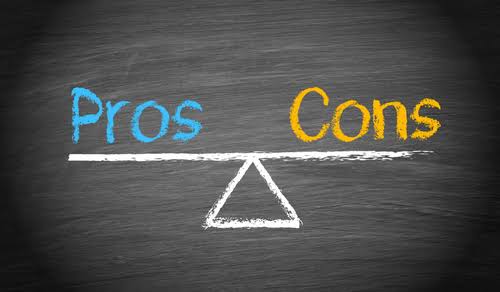
There came a day when we chose to prioritise our health ahead of our jobs and on that day we drew up a pros and cons list… That list was quite revealing in it’s contents, so we cut our losses and set new goals to work in New Zealand!
When personal health and well-being becomes affected its time to change the environment that led to stress if factors which cause the stress cannot be altered.
It sounds like a rash decision but our deciding factors allowed us to recognise the importance of environment and priorities.
Dr Rangan Chatterjee a GP, BBC tv presenter, researcher and author calls upon his studies to share that 10% of our health outcome is due to our genes and 90% is down to environment and the way we choose to live. When patients are asked about prioritising health, the most widely used excuse;
“There just isn’t enough time!”
Well, unfortunately the reality of neglecting the self has become a huge cost, both economically and for our health services. Looking after yourself starts at the top – you guessed it… mental well-being. During mental health week 1 in 6 adults in the UK had experienced a mental health issue from;
“Pressures of living in the 21st century.”
I had felt pressure before, in fact had dealt and managed greater pressures previously. I had not however, dealt with stress in the absence of hobbies and community support. Taking some down time with those you care about the most is the greatest stress reliever and nothing else can come close….especially not technology.
Downtime with loved ones releases healthy amounts of dopamine, especially when enjoying a role within your community. But if the act of gaining dopamine is paired with technology, our cravings for much needed validation are met in a very different way.
I experienced these feelings personally as a recovering instagram addict; editing, captioning, hash-tagging, posting, checking for likes, checking again, reading comments and so on it went! This was especially prevalent during times of increased stress… I am well aware that many businesses make use of social media to reach customers – especially individuals who are self-employed and don’t have marketing budgets. If we are not concerned with making money, then we should treat smartphone use as exactly that….a treat, enjoyed in moderation.(whole thesis could be written on this topic!!)
The right mix (switching off & filling up).

Having deleted my personal Instagram account 10 months ago along with others, I have got used to enjoying free time in the absence of technology. Other people have a good relationship with social media and healthy usage, but the ease at which we can access information can become a time consuming and vicious cycle in my experience.
Switching off allows the chemicals to balance out and promotes a rich mix of serotonin and oxytocin. We have found a love for capturing experiences on the camera again, read way more and down time is meaningful.
Everyone has their “freedom activity” that they love to do. Having an escape, a passion and time to fill up your cup is essential. Learning about the factors which prevent unnecessary stress has been a huge eye opener. Living in New Zealand provided us with incredible opportunities for personal growth and it is just the beginning. There are a number of people who have shared their valuable knowledge with us from home & NZ and part 2 will recognise their contribution.
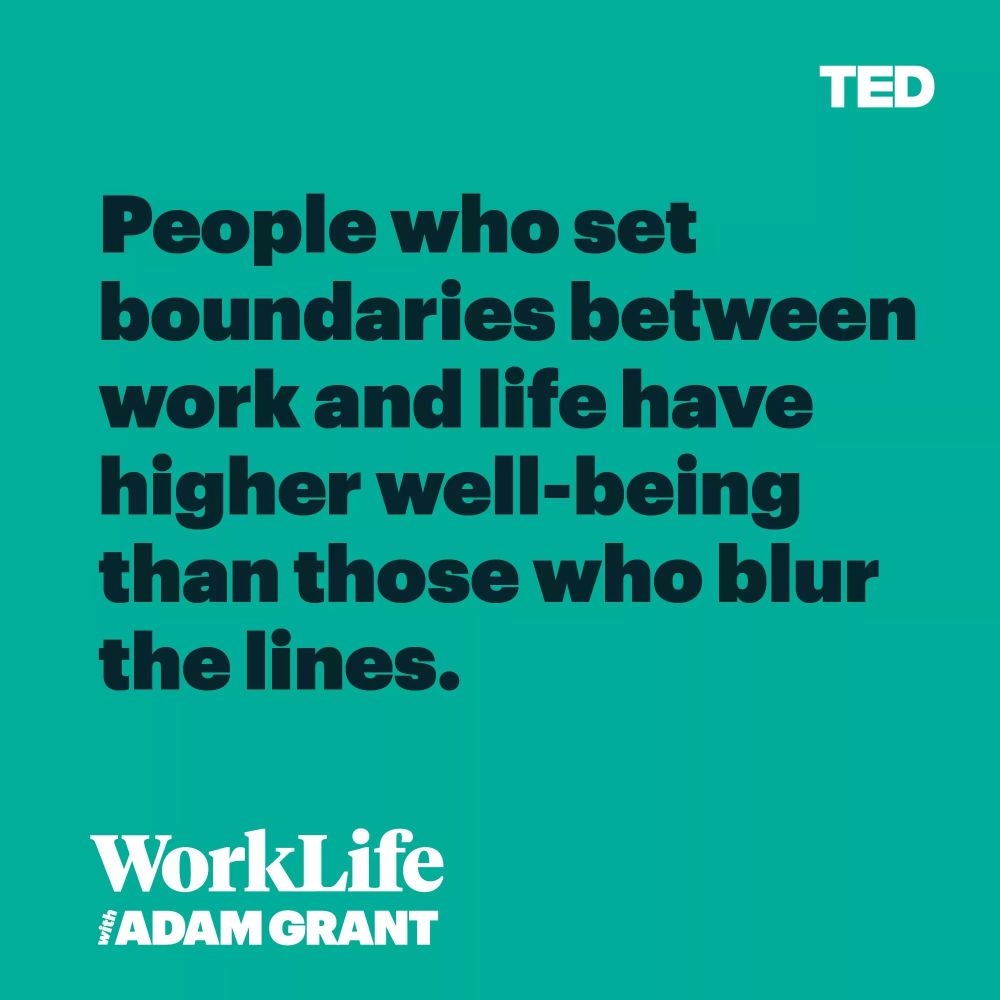
Until then;
If you have not already seen the fabulous Ruby Wax raise awareness about this topic, her TED Talk is well worth the watch!
And make time to enjoy something that fills up your energy reserves or help someone else to recharge their battery.
Thank you very much for reading, please feel free to pass on this blog or get in touch and most importantly talk about how you are doing mentally not just physically.
Peace, Hayley
 Intuitive Design Sessions
Wow, great blog HB. Very insightful and very brave to openly discuss a sometimes difficult subject, well done. Hope you have a fab time in Japan. Will update the map at school tomorrow!
LikeLiked by 1 person
Hi Hayley
This is an important piece to write and to share. I found it really valuable on so many fronts. For all of us in a process of change and simply ,on a professional level, for all and especially beginning teachers. So much growth for you from this trip and experience. But most importantly maximised by your ability to reflect analyze and make change ! I really admire that in you.
Be great to hear what your return brings . Much love. Noreen
LikeLiked by 1 person
Oxytocin ❤️❤️❤️ im my line of work we call it ‘the love hormone’ BEST CHEMICAL EVER!!!
LikeLiked by 1 person
Hi Miss Barr,
Hold on to the sentiments in your blog. This is likely the most important insight yet that you have posted.
Most people never come to the realisation that mental well-being is the central component of a balanced and happy existence.
Everything I have ‘preached’ in PE has been about health – psychological first then physiological. If we consider as educators that it is something more akin to preparing children solely in ‘physical skills’ for sporting performance then we have totally lost the point of humanistic and holistic learning experiences. If we can consider our role as life-long long-life health and making positive wellbeing choices through understanding our mental and physical needs then we are on to a sound rationale for arguing for our subject.
Keep thinking, keep posting.
William
Sent from my iPad
LikeLike