The Disease to Please

We all love to help, helping is a basic human need releasing all of the feel good hormones into our body and environment around us. We build strong relationships and feel a sense of connection that cannot be mimicked by technology. Yet, after all of the giving we still feel slightly empty if not burnt- out and at times disheartened.

A brief history

If we think about when we were young and how we learned to receive positive feedback from the adults in our lives we can begin to understand that our brain is wired to put out an action or gesture in return for a response. We are told if our behaviour is good or bad through a signal displayed in communication that matches our level of comprehension. Following our actions we are provided with a consequence or reward. Rewards release Oxycontin and Serotonin making us feel loved, safe and happy whereas the ugly sister consequence releases Adrenaline and Cortisol making us feel angry, sad and upset as a result of feeling unloved and not wanted.

The playground

As we grow older we don’t receive as much consistency in the feedback as we expand our physical boundaries. A gift of a worm to your adventurous friend in the playground will result in a very different response than if you presented the same worm to your teacher. We then move to the trial and error stage in life where we test out behaviours, actions and gestures with those around us to find out who likes what and at this stage- how much we can get away with!

We attract and gravitate towards people our age who like the same things we do, the same time as experimenting the wider world around us. Our stable relationships predominantly belong with the adults in our lives and we begin to recognise what behaviours belong in certain environments and what is accepted depending on the company we find ourselves in.

The messy bit

Then comes the more difficult stage – stepping into the world as a teenager and everything changes. All that you have learned and adopted during childhood is turned on its head…prime example below;

Up until this stage reading in your spare time, with your parents, teacher and in front of the class was a welcomed and rewarding activity. Dipping your toe in English at high school you quickly learn admitting to reading, reading with your parents or confidently stepping up to read in front of the class is a preposterous act worthy of ridicule and mockery – leaving you feeling incredibly uncomfortable, embarrassed and confused.

We have now made the shift from survival in our close knit family unit to survival in the wider tribe outside of what we are familiar with. All we now care about is fitting in to survive in the new tribe (with tribe leaders our age) where the rules are bent, lines are blurred and adults are not in charge! Sounds like a dream; lots of freedom, new experiences and a likely-hood of lots of risk and reward – exactly what our juvenile prefrontal cortex craves! This is a time of real instability for teenagers as their friends are not always loyal, sometimes leave them out and there are no consequence if the ‘social code’ is broken. They then come home to loyal parents, are begged to join in at the dinner table, family events and face consistent consequences. Living the double life creates much confusion as teenagers crave the same love, acceptance and identity as they did as a child but their peers alone cannot meet their emotional needs.

Acceptance

For a teenager survival in the form of group identity, belonging and acceptance to the new tribe becomes the highest priority. Behaviours favoured during childhood and accepted by the family unit no longer serve a purpose for this new identity. This mismatch creates an imbalance in expectations, close bonds and values. When the teenager no longer wishes to please the adults in their life they persist to please their peers first. On the other hand, those who continue to please their parents and other adults can struggle to integrate themselves into new and unfamiliar social situations and seek the approval of others before trying something new. We all fall on the scale somewhere and continue to slide up and down in order to please those around us as we go through life.

And finally we move to adolescence. We leave high school, have decided upon a decent group of friends and work out that our parents weren’t as bad after all! THE END….

Think Again!

We’re merely the beginning and the beginning was not our younger years, the beginning starts when you become the adult, when you assume responsibility and you notice that you have to look after yourself and others around you.

Growing up
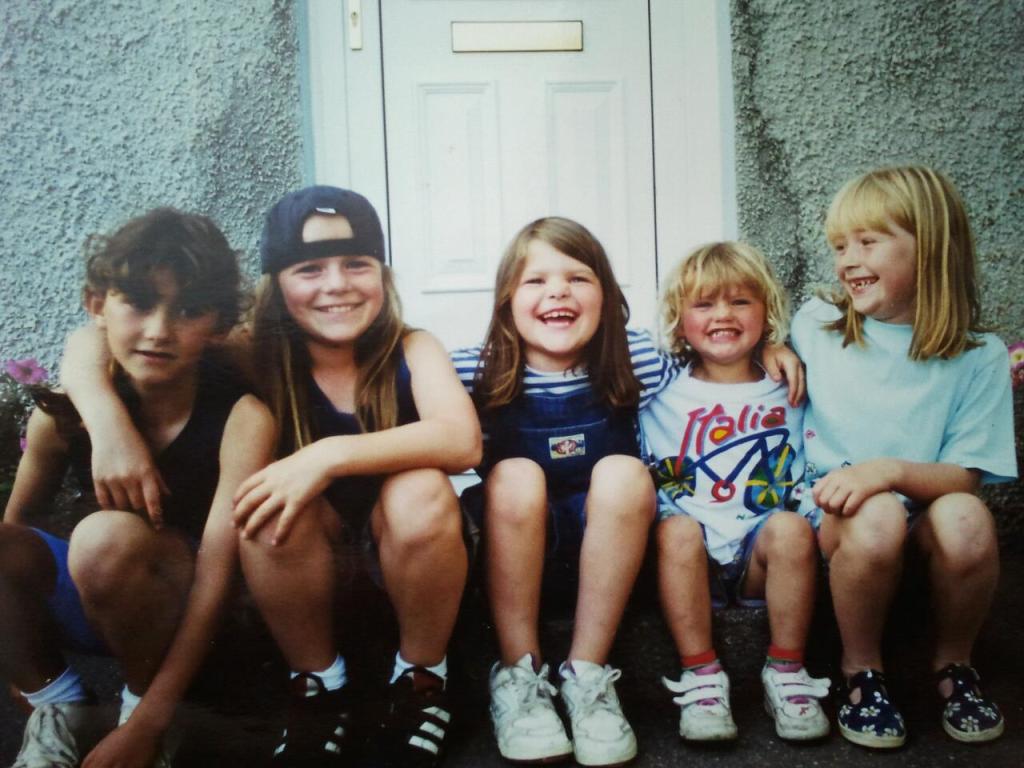
Growing up was the easy part, adults took care of us, stood by us as we craved to be liked by people they didn’t and were there to pick us up when we realised our mistakes. Many 20 somethings have a quarterly life crisis when they leave the safety of the home/uni life to take up employment as they realise it’s not to dissimilar to the play ground. We find people to hang out with, learn who to steer clear of and who likes worms and who doesn’t!

What we fail to realise is that we are no longer children. Our beginner experience of this ‘disease to please’ started in a safe, structured and relatively fair environment. Now we are playing the game on adult expert level where the goals get moved and the rules are fixed to suit certain people… A smile to a colleague doesn’t always result in one back, a good deed to someone you care about goes unnoticed and you feel let down.

At no point in your life has anyone told you that if you strive to please it only works in an environment where all of the adults play by the same rules and reward and consequence are prescribed on fair terms. Usually the adults who have not experienced safe and fair environments growing up and were not prescribed adequate consequences struggle to see that they have a DISEASE TO BE PLEASED!

Givers V Takers

As discussed by Oprah and Dr Phil in her SuperSoul Podcast there are ‘givers and takers’ in life and we have a responsibility to create boundaries for both. If you find yourself giving all of the time (you tell yourself you don’t mind) but you don’t have time for yourself and a specific area of your health is neglected… and if this is you – you will know. How…well you will have received a form of denial from the voice in your head, heart rate increase or a strange feeling in your gut reading the lines above. You know yourself if you give to others to avoid giving yourself the love and care you deserve. You deserve it, you just don’t believe that you deserve it, you feel guilty when you treat yourself and then you over compensate by sacrificing the things that matter to you to ‘help’ others. I call BS! You cannot give from an empty cup, you cannot fully help others when you need the help yourself. I get to call Bullshit on this because this is/was me on the daily!

If on the other had you like to take, always feel like you deserve to have the best and have high expectations of everyone around you and are quick to judge…have a word. Not with yourself, but with those around you. Instead of asking them what can they do for you, ask what can you do for them. You will have surrounded yourself with givers in order to protect yourself from feeling unwanted. Its now time, its time to give back, put your guard down, and get vulnerable. Its time for YOU to meet your own basic needs not for other people to do that for you – simple things like; feed yourself, buy the essentials and look after your health instead of relying on others to do it for you as they try to look after themselves too!

Level up

Many of us have created our identity around helping others, but in all honesty (me included) how happy would we be without all off that busyness? This is exactly why I am writing this piece as I have come to realise that we will find greater satisfaction in following our own passions, loving who we are and giving some time to ourselves to fill back up in order to give with healthy energy. I found that this mindset tool highlighted my most common behaviours and showed how I managed my energy in order to please those around me. Those who strive for perfection and have a desire to be busy – this will provide very accurate feedback for you in a practical sense. Here’s Briony the founder of Untapped and creator of the quiz above delving into her people pleasing demons;

“I knew to truly level up I had to let go of the PEOPLE PLEASING BS that I had allowed to hold me back for years. I was so worried that I would come across as a “ruthless bitch” but I knew it was time to expand.”

Briony McKenzie – Untapped

Healthy Giving
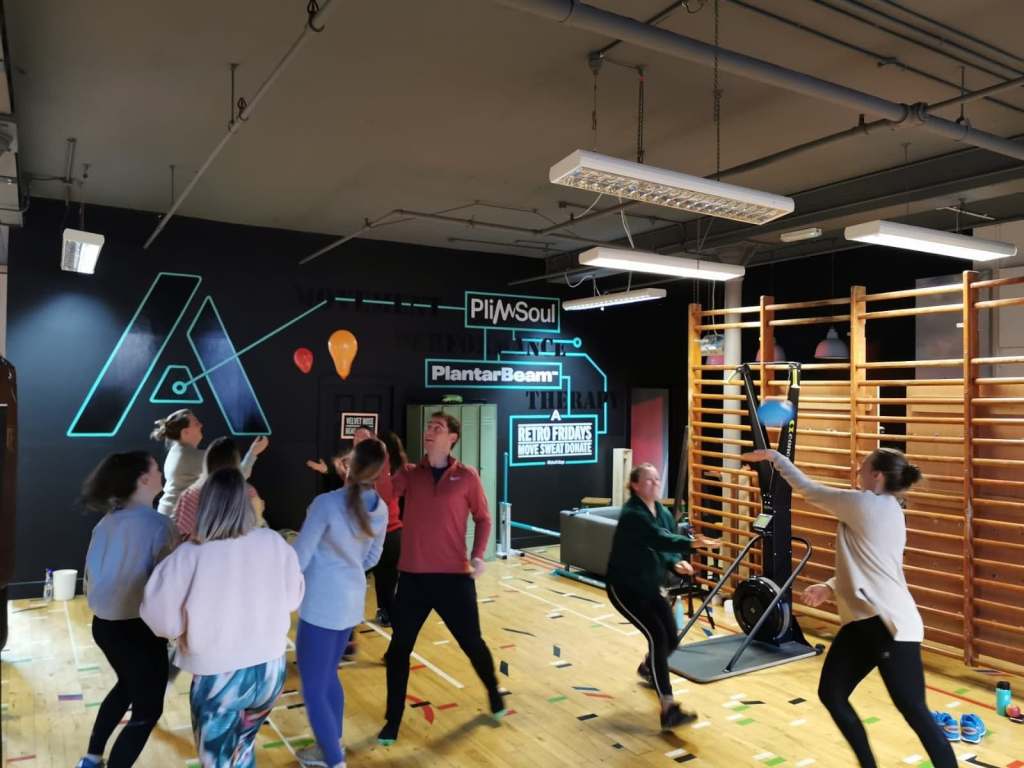
Basic human needs are met when we work together, have a joint agreement of terms and we do not work on a points system of one good deed deserves another. Helping another human who is in need should come from a genuine place without need for reward or recognition.

Striving for pure generosity without abuse of power, positive well-being as a result of giving not as an after thought, and unconditional love and respect rather than conditional relationships can be achieved through one method and one method only and that is in the form of role modelling. The famous Gandhi quote; “be the change you want to see in the world”, is more profound than ever as we take on the challenges life throws at us with kindness and behaviour that we hope is a shining example for young people as they too come across adversity.

“Be the change you want to see in the world.”

Mahatama Gandhi

World leaders will change, governments will move but communities and those who set the most influential examples are closest to home. Be the change you want to see in YOUR world and remember that the disease to please will leave us feeling empty if we try to please everyone!

If you would like to find out more about Personal Leadership for positive change there are a number of ways to get in touch. I have also created a Starter Session for you to take stock of your own health and well-being. If would like to join in the discussions/ contribute to our next event or have a look at what I do through Intuitive Design Sessions check out my Facebook page or Instagram for more! Thank you once again for taking the time to read and join the community.

Lead On,

Hayley
Doing Vs Being

When in the last few days have you heard yourself or someone else saying, I need to, I have to, I should, I must?  When you really look at these expressions, what feelings do they conjure? For me, they all suggest an internal or external pressure that I need to live up to or else. Bottomline, they make me feel anxious. 

The belief that doing = success is a common one. In 21st century western society, expectations from family, education and popular culture are thrust upon us. There is an accepted cultural narrative that loyalty to the grind inevitably leads to the good things in life.

But what if the good things in life aren’t in the chase, what if they come from within? This blog deals with the conundrum of doing too much and being too little.

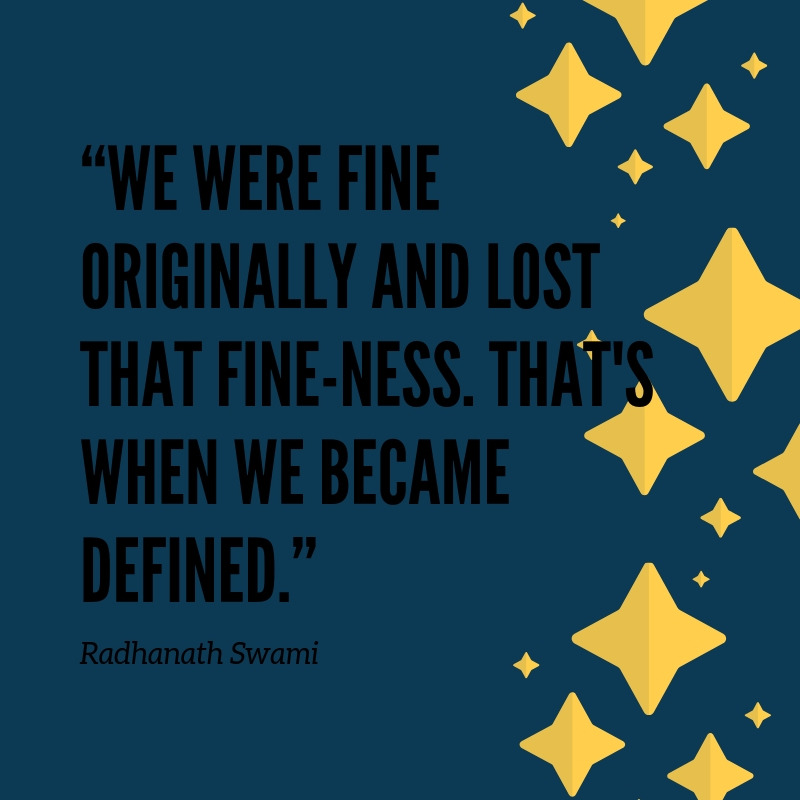
_We were fine originally and lost that fine-ness. That's when we became defined._

Reflection:- How much pressure did you feel in school to do well in exams, earn a well paid job, do activities that support your CV? Or conversely, pressure to rebel, do anything but ‘learn’? What about doing things to fit in like going out on a weekend when you just want to stay in? How often do you do things for comfort like scrolling through your social media feed instead of just sitting and breathing or, do things out of fear like judge a stranger rather than connect with them? Or more, do things because you were told that’s the way it is?

Yet filling our days and lives with unconscious acting is a bit like climbing mountains you never really want to climb. You get to the top and it’s not what you imagined. 

Some studies have found that 95% of our mind works unconsciously. This means that a lot of our behaviours arise from deeply ingrained patterns. In my own life, I learned early on that doing equalled a certain kind of success and recognition, so I climbed metaphorical mountains I never really wanted to climb. I never thought to ask: Why the heck am I doing what I am doing? 

But eventually, when all the doing caught up with me at university, from sports injuries to feeling unfulfilled, I realised something was amiss. From the outside I had it all. On the inside I felt like I was winging it. I wasn’t unhappy, but I wasn’t at peace either. I was chasing other peoples’ dreams but not my own. 

This was the start of a gradual and empowering realisation. You can do as much and try as hard as you see necessary, but if it doesn’t resonate with your deepest self, you’ll struggle to feel fulfilled and content. In the end it doesn’t matter about anyone else. You need to be at peace whatever way the wind blows, for your own wellbeing and for the wellbeing of those around you. 

Need I add fuel to the fire? I will anyway. Representation amongst leaders, managers and decision makers as well as mass media outlets isn’t entirely diverse. Market Inspector highlights that 9.7% of top jobs in the FTSE 100 are taken by women. If you do not fit in, like being working class, a minority gender or experiencing mental health issues to name a few, you will probably compensate by doing more to fit in, or doing more to rebel. 

So where is all this going?

Doing is leading to burnout


Canva - Lit Bonfire Outdoors during Nighttime (1).jpg

Here are some statistics:

  • A YouGov poll in 2018 found that 74% of respondents felt unbearable levels of stress within the last year. 
  • Forth also ran a study in 2018 that found 39% of adults experience overwhelming amounts of stress on a daily basis. 
  • Yougov (2018) suggested causes include work, health of family and themselves, finance, technology and body image (particularly amongst women). 
  • Furthermore, younger people were found to experience significant stress in relation to the demands of succeeding (over half of 18-24 year olds), as well as in comparing themselves with others (just under half of 18-24 year olds). 

If each of us is a glorious flame, whose roles are to spread a little bit of light to those around us, each light that goes out means a few more people are having to make their way in the dark. 

So what’s the alternative to doing?

If we keep on doing without grounding ourselves in why, many of us will continue to climb the wrong mountains, chasing the wrong views. So here’s a relatively new (or ancient), way of looking at it, depending on where you draw your learning from.

All that you do stems from being

In other words, life is about becoming and revealing more of yourself, your purpose, skills and unlimitless energy, a journey within so that you can spread this fire to light the way for others. Rather than chasing external gains in the hopes they will fulfill your needs, your braving your unconscious, understanding it more, being more authentic. 

Before this sounds too wishy washy, there is growing evidence to practice based support for this perspective. In 2008 the government funded a project looking at mental capital, charities like the Bridge are looking through a holistic lense at mental wellbeing and more educational establishments are emphasising concepts like growth mindset, grit and the impact of the wider world on students.

It’s also quite intuitive. Think of the times you feel most connected to friends. You are probably spontaneous and in the moment, so in sync it’s like you’re in each others heads. Or when time stops and you’re in flow. When you are focussing on something so intensely that you lose all sense of ‘having to do’. 

Cultivating a sense of Being

The fight to the top, to the front, to the next thing is done. If we can learn to be, then doing will exude naturally. Here are my top strategies for cultivating a sense of being.

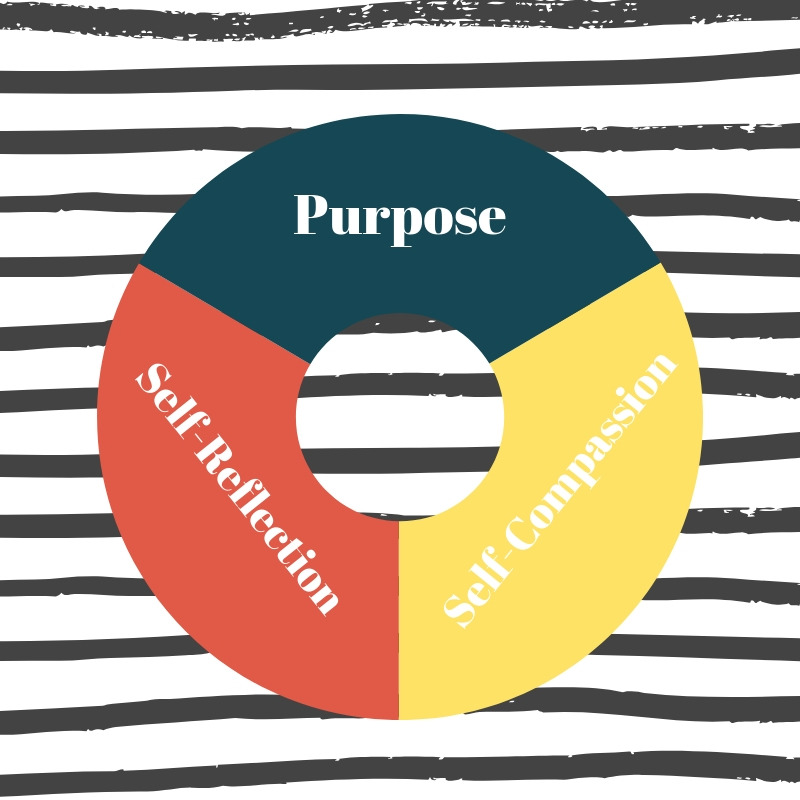
MC’s Triad of Well-BEING

MC's WellBEING Triad

Number One: Exploring your purpose through journaling

Here are a few questions for starters:-

  • What’s your life philosophy?
  • What is your life vision?
  • What are your top 3-5 values?
  • What are your strengths and areas for improvement?
  • Do you have long term, medium term and short term goals?
  • What qualities inspire you in people you admire?

Knowing who you are and what you stand for will help you prioritise what is important in life. Take 10-20 minutes daily to write down your thoughts. There are various techniques. One method is to use guiding questions like the above. Another is to simply write and see what comes up and how it makes you feel. Or, write down daily intentions related to your values or your goals and review them in the evening. 

Whichever way you choose, there’s a good chance it will open up a whole new wonderful inner world. Unsure whether to take on that extra volunteering role? Does it really best serve your philosophy and vision? Unsure whether to try a new sports class next week? Does it fit with your value of being courageous? Then you are probably more likely to rise above the negative self talk and attend.

I’m not saying these questions are easy. I could write a blog just on journalling and purpose! The above questions took me a year of reflection, and this journey will not stop. But, from personal experience, defining what’s important to me has given me the structure, confidence and clarity that was lacking when I felt like I was winging it in university.  

Number 2 – Self reflection & Mindfulness

How often are you totally present? How often do you sit with your breath and really observe what is passing through your mind and body?

If we are too busy in our heads, thinking and talking about the past or the future, are we ever really experiencing the entirety of now just as it is? 

Connecting with what you are feeling and what you are thinking from a distance has been one of the most valuable practices I’ve put into my daily life. I can check in with my purpose and values, it helps me regulate my emotions so I am less reactive to difficult situations, and it requires me to slow down, something I’m not known for! 

Number 3 – Living with Self Compassion 

By self-compassion I mean love and kindness towards the self. And no, this doesn’t mean buying yourself a teddy-bear and chocolates on valentines day. It means respecting yourself, loving yourself and making time for yourself.

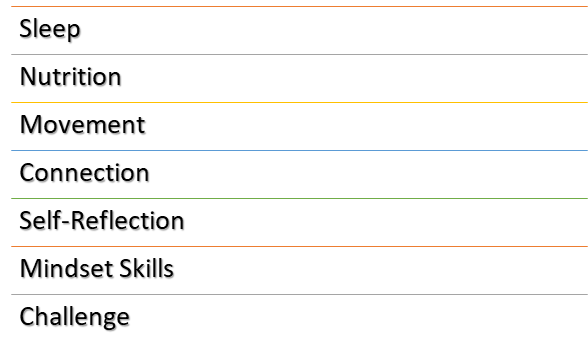
A lot of areas make up self-compassion but for me, the basics focus on creating positive daily routines and habits that energise and empower you. These are:

sleep etc

Again, I could write a blog on each of these aspects of self-compassion. But from personal experience, the more routine each of the above has become, the more peaceful and fulfilled I feel. And it’s not about changing everything all of a sudden. I place emphasis on different aspects of self-compassion at different times. Right now, I’m going through a transition, so mindfulness and journaling are very important to me. I know some of the others will become priorities in due course.

Finally I’d recommend that all this be done with the love and support of others. If you’re looking for any recommendations and tips on working through the above triad, I can thoroughly recommend an array of writers, psychologists and other expert thinkers who’ve challenged me to learn and grow. 

So what next? 

If you are still reading then thank you! This is a mammoth post and I hope, a thought-provoking one too.

You also might be thinking the above seems like a lot of work. But it isn’t. It’s a way of life. If you’re like me and your automatic reaction to this post is to start implementing, writing and planning, stop. Sit for a minute, identify the parts that make you feel something. If a paragraph resonates, chances are something is making you connect with it. Moreover, there are plenty of like-minded people keen to support you on your journey, getting involved with Intuitive Design Sessions is an incredible place for that support! 

Ultimately, there’s a decision to be made. Doing more or being more? Choose doing and overtime you might miss some big opportunities. More still, at the end of your life, you might realise you missed out on the most important things of all, like being with the people you love and enjoying the incredible miracle of being alive.

Key Takeaways 

  • Doing too much is common in modern life but it can lead to excessive levels of stress
  • Cultivating a sense of Being can challenge this if you recognise you have a tendency to be in constant doing mode. 
  • Cultivating a sense of being can be done through exploring your purpose, self-reflection practices and self-compassion
  • The journey lasts a lifetime, but it’s so empowering and the people (including yourself) you will come to know throughout are so energising, you will never look back!

About the Author


mc.JPG

I’m called Mari-Claire, but you can call me MC for short! Having just returned from PE teaching in Sweden, I’m returning to university to study for a masters in Psychology. I love being active and going on adventures, if I’m not up a mountain, I’m usually at the gym. 

My philosophy in life is Big Heart, Big questions, Big life. In other words, I believe that connecting with people, being curious and having the courage to challenge myself mentally and physically lights a huge fire within me and ensures I feel fulfilled. My mission is to support people in finding their own fire through holistic wellbeing.

You can find the link to my own blog by following me on Instagram at mc_squared15.