2 Worlds

20180807_142514.jpg

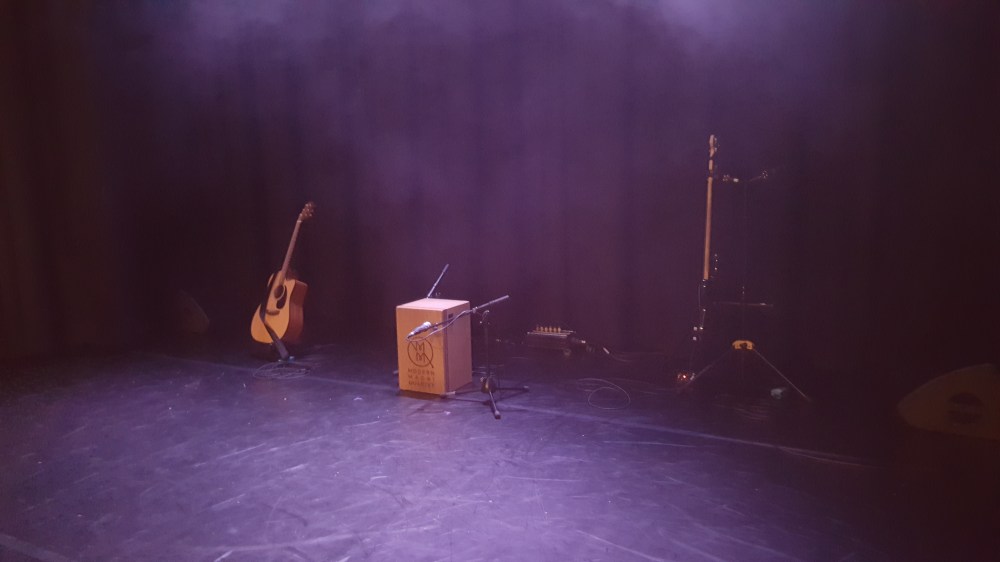
I sat and watched in amazement as the Modern Maori Quartet captured the audiences hearts and minds in a spine tingling, inspiring and thought provoking performance. What are these guys, what do they represent and what is their message ?

Just in case you are wondering, no this has not become a performing arts blog but there was certainly a strong message that we can all learn from…
This performance although Kiwi in nature did not take place in New Zealand, it was part of the Edinburgh Fringe Festival line up and we attended having seen these guys in their homeland. A bunch of 4 Maori dudes, musically talented and able to tell a story through music, dance and their own language. The strength of the performance was not just their musical talents but their cultural connections and the interaction with the audience- we were in the palm of their hands!
Stories
3798l
Each one of the band members telling a story of love, loss, regret and fear. Each one telling the tale using a prologue that you couldn’t help but relate to. Each one showing the flaws of their personality and the lessons learned. Each one showing that strength and truth is the path to contentment and happiness.
Fast forward a few weeks from the summer holidays to going back to work as a PE teacher. To most teachers this was perfectly normal after 6 weeks off, for me a little different. I was returning from a 2 year secondment…
The question on everyone’s lips;
“How is it being back?”
To this I reply;
“It’s great!”
On occasion this has been met with a confused look or even challenged, that it can’t possibly be after teaching in New Zealand and Australia!?
Green Grass…
20180321_111442.jpg
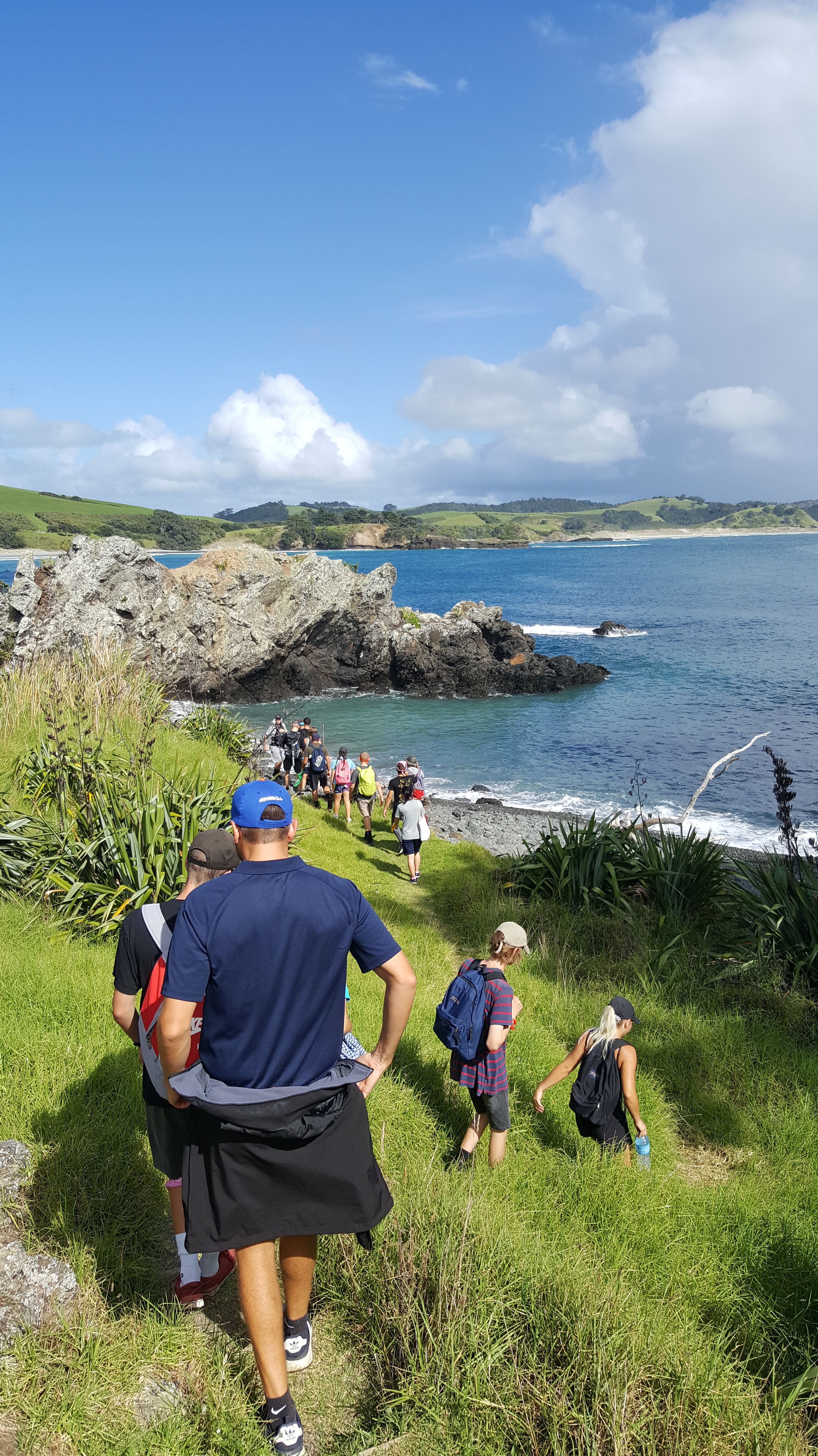
Just as many of you will know what it’s like returning home after your first year at uni, the same feelings have occurred as I return to my work in Scotland. I returned to a lovely warm welcome, I realised I had taken for granted the little things and home isn’t as bad as you claim in moments of frustration!
I can easily say that the time spent teaching abroad has had an incredible and positive influence on my life and profession. I have so much to thank my fellow Kiwi colleagues and friends for during the time spent teaching and developing programmes over there. Equally it is exciting to come home with ideas and programmes to try out in our curriculum and wider approaches to life.
We may often find ourselves wishing ourselves in a different work or life situation in challenging moments. From my experience I can say that as beautiful and different as New Zealand was there were still people who faced frustrations with admin jobs, stresses at home and work and young people who;
“Don’t know how lucky they are! “
It is our default setting to think that the grass is greener…well the grass is greener because NZ is volcanic but what I’m saying is that, it’s easy to think that it’s way better out there or somewhere else away from our own frustrations and fears. A lesson learned from time abroad; that Scotland is seen as a beautiful and friendly country and its education system is held in high esteem internationally. I had Kiwis tell me that I’m the lucky one and they would love to live in my homeland!
Pride and perspective
IMG-20180706-WA0028
The very things that they thought were better in Scotland reminded me of how lucky we are, but find it difficult when the media capitalise on telling us we are doomed! Things like the history, the views – like the one above (yes that’s Scotland), the culture and people, our NHS, affordable food, help to buy schemes, free school meals and support for struggling families, national programmes for our young people, priorities for new born babies and parental leave, business start up grants and free advice, free public schools, colleges and universities! We are still among only a handful of counties in the world to place such an importance on education for all.
Education in NZ places priority on a number of different factors; culture, arts and sport to name a few! I was lucky enough to have the chance to work with the school Kapa Haka group- a rich and insightful experience. Outside of work there were opportunities to learn and collaborate with some incredible entrepreneurs, highlighting my motivations to work. No matter what your profession or passion as long as you feel you can contribute to a cause bigger than yourself in an area you care about you will be successful. There are too many successful people who did this and followed their true calling for this not to be the case.

Positive passion
20180102_131056.jpg
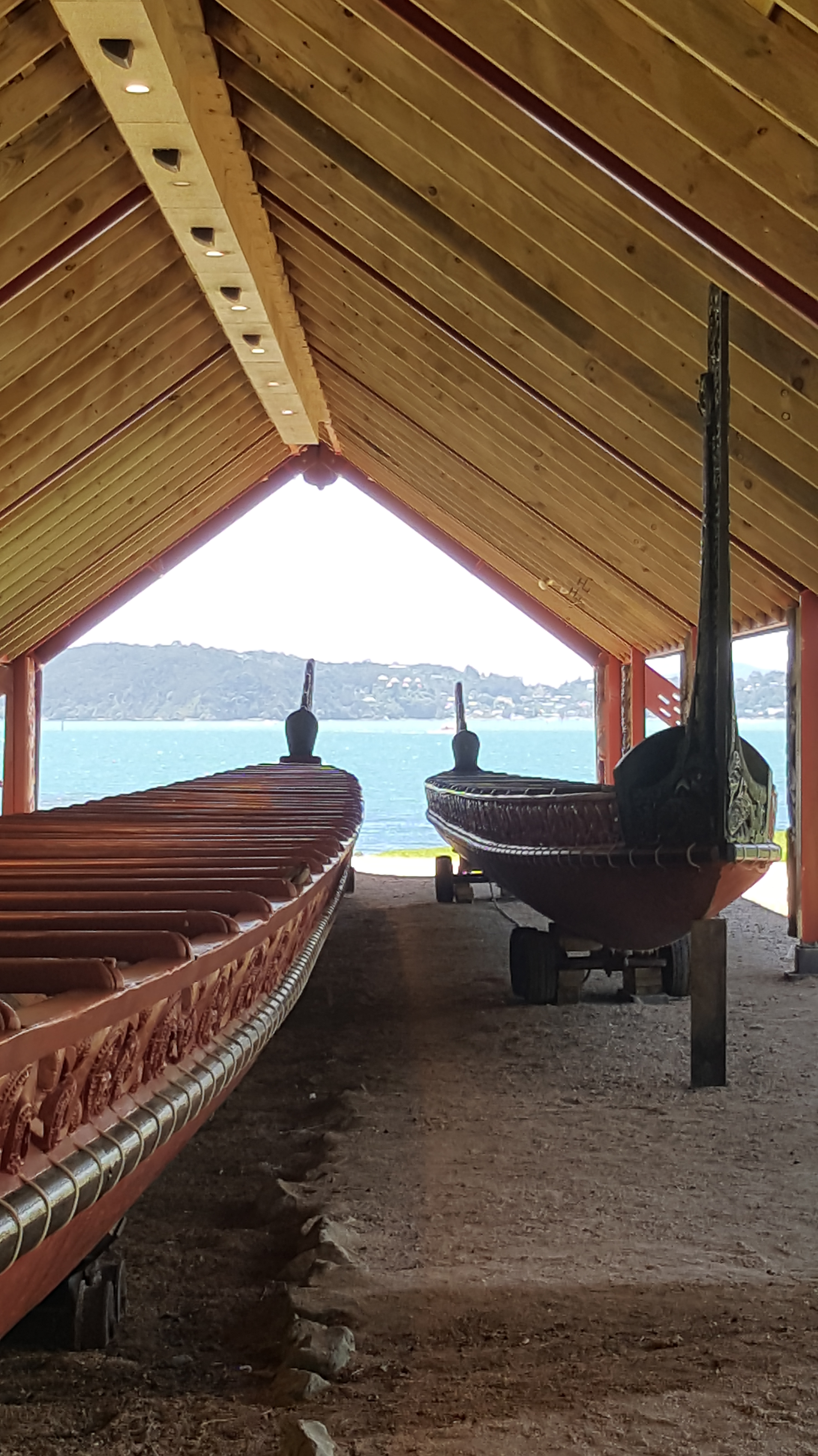
Culture and belonging are the key to a happy social and emotional life and living in NZ helped prove the importance of this. Some of the learners were able to make cultural connections while in the classroom and were able to gain belonging at the school Marae. I thought to myself that this is so important, relevant in their lives and important in my culture too. It only took attending a Ceilidh at the weekend to fully cement this !
Bridge of Don Academy to Whangaparaoa college and back – 2 very different environments. Both worlds apart from the outside and you would judge them based on a number of criteria, but as far as I can see powered by purpose and passion. As long as both remain rich in opportunities there is a place for young people to grow and develop.
The message from the Maori Quartet centred around being true to yourself, your motivations and the important things you can look after in your life. Without making this a full on gratitude journal I have to say that a little bit of perspective, getting outside the bubble and seeing life on the other side helps to cement what’s truly important to a fulfilled life.
Lead on,
Hayley 😊
FB_IMG_1486266731005

New Zealand has no time for the Ego.

images (9)

We are teaching in what I believe to be the most interesting, challenging and diverse environments ever known by teachers. In a world of so many unknowns, yet so much information we find ourselves paralysed and overloaded with advice and predictions for the future.

Let me share with you my New Zealand teaching experience 2 months in, with some examples, comparisons and the need to stay present and build awareness and strength of mind personally and professionally.

Things to note:

  1. The young people in the school I teach are referred to as, ‘learners’ I will write about ‘kids’ and ‘pupils’ too.
  2. I have included some leadership and Maori proverbs as a wee cultural link.
  3. All text is my opinion and reflections based on my experience.


The bell rang 5 minutes ago.

unnamed (2)

8.35am comes around and I walk to my ACG (academic counselling group) most of you know as ‘regi’ and I greet my class of year 10’s (3rdyears). There is no bell, no warning bell, no bells all day ever! There isn’t surge of pupils through the door all at once, just a steady stream arriving on their watch followed by finding a seat and out comes their phone to start their snapchat story for the day.

Very different to the bell ringing and having accountability of calling upon the bell as a verbal warning or signal for the start of the school day. To my amazement most of the kids are waiting at the classroom door before I arrive and the same applies to classes throughout the day.

Because the pupils are actually given the responsibility to tell the time (not difficult when they have their phones in hand all day) they arrive early in many cases.

For me as the teacher, I no longer experience that dreaded ‘bell anxiety’ that we all get near the beginning of the day and at the end of break and lunchtime. I start the lesson when everyone has arrived and is changed, and I also then dismiss my class on time almost all of the time.

I am the first to admit that I was guilty back home of hanging onto the kids for just a minute or 2 more than I should, or pushing the lesson into the final 5 minutes allocated for getting changed. For the past 2 months I don’t think even once I have been rushing to finish a lesson and it has come to a natural end because I feel in control of the allocated time and feel trusted to use my time wisely.

The dog ate my homework.

“A pond fern dies, another takes its place”.

images (12)

Homework is a thing of the past in Finland and this may seem absurd to some educators, but all we need to do is look at the world rankings and you see Finland at the top of the world PISA table.

Teaching in New Zealand feels like they have taken on some of Finland’s philosophy of allowing children to be children and pursue their passions after school rather than homework.

I have not given many homework assignments, certainly not like we do in the UK, with a set question and hand in date within the week. Now this is certainly a topic of debate with many pros and cons, I do not have the answer but I do know that more lengthy assignments are given out to complete at home rather than in school time.

I mark a whole lot more internal assessments from year 10 to 12 (3rd-5thyear) classes. Some certificated classes in PE are 100% internally assessed by the class with learners submitting as many as 6 assessments over the year. Internal assessments are given to optional PE and core Health pupils at least once a term. Mock exams are a further assessment for pupils as well as junior exams for year 9 and 10’s (2nd & 3rdyear).

Do you want to go to the principal’s office?

“Great teachers have the ability to ignore trivial disturbances and the ability to respond to inappropriate behaviour without escalating the situation.”

images (13)

My first taste of restorative practice was in New Zealand in 2010 on a student placement in the South Island. I remember I ‘went off my head’ at a class because they weren’t listening, and they all just looked at me as if I had grown 2 more heads!

I learned the hard way that being engaging as a teacher and gaining respect could be done through some emotional intelligence and management of my own emotions. During 2010 I applied my new found restorative practice in NZ and had great relationships with the pupils.

Fast forward to my probation year in 2012, and I saw a truly inspirational leadership model being applied in a school with significant socio-economic problems. The head teacher and senior management team held every single pupil accountable and this yielded incredible behaviour and exam and results. As a teacher in this school I was asked by the principal himself to send any pupils to him that were disrupting the learning of others;

“I would happily have 20 pupils at my office and deal with them, and you still do your job with the remaining 5”.

Not only did I feel an incredible amount of support from above I also saw the success of his methods as pupils rarely re-offended and produced; apology letters for misbehaving, great results and became role models for others.

This form of charismatic leadership is truly transformational in areas where change is needed. In schools and classes that do not require a huge amount of behavioural change there is not a lot of room for this type of top-down leadership. On discovering this I had 2 things I needed to do;

  1. Explore new ways of engaging pupils from a bottom-up leadership approach, in order to avoid having to manage behaviour in the first instance.
  2. Most difficult of all… tame my Ego!

Because I say so !

“In order to lead others, one must know how to lead oneself.”

images (14)

PE teachers all know the following phrase all too well;

“Can we just play a game?!”

I have learned, the answer to this – against the will of my stubborn Ego is sometimes;

“YES!”

Just play!

No matter how many studies I read or documentaries I watched about child development, for some reason I was holding onto this control of deciding when and if the kids can play! The kids ‘play’ a lot here and there is no denying their superior skill level compared to the UK.

This teaching experience has allowed me to step/ has pushed me outside of my comfortable teaching philosophies to see me as the teacher in a whole new perspective.

Personal development the underdog of PD

“True leadership must be for the benefit of the followers, not the enrichment of the leader”.

images (15)

Now if this all sounds a bit too much like; star gazing chat…bear with me. I thought that I was going on this sabbatical to assist with Professional Development. Little did I know that I would go through challenges that were little to do with my pedagogy and more to do with the will and influence my Ego had over my decision making and reactions.

Let’s say a pupil asks you a very ‘obnoxious’ question.

Sometimes we just react without little thought and have quite a strong emotional reaction, proclaim the emotion/disgust we feel to the pupil/class;

“You make me so angry!”

Then there’s times when we pause, let thoughts go through our head, and choose a thought to act on and deliver, usually with a nice class or good student, am I right ?

The nature of a modern learning environment, which promotes restorative practice, relationships over redemption and building bridges and moving on means there is little space for the Ego to run the show.

My Ego has had to take a back seat in teaching Kiwi kids. You see Kiwis in general are very humble human beings – you just need to look at Richie McCaw to see they do not like to showcase their achievements. Perhaps it is the smaller population thing, but in schools there is not a blame culture making it really easy to repair pupil/teacher relationships and move on.

Spending time and energy holding onto a grudge with a pupil seems nonsensical to them and they do not have the in-build chat back from their Egos that we experience as teachers;

“You cannot let them get away with that.”

We listen so often, to the internal dialogue between our Egos and emotions determining our actions that we have little control how and what we say in heated moments.

Professional development has certainly happened, but teaching in NZ has been personal development that I hope will inform and influence those I work with in the future.

When asked by my tutor at Uni how much I know about Physical Education out of 100%, I said;

“25%”

Now, I believe I have just reached base camp and the real answer is about, 2%! We are always learning and the environment we teach in is constantly changing. I hope that the next part of the journey includes applying personal development into a professional context and the 2 can play their part respectively for greater awareness for teachers and pupils.