2 Worlds

20180807_142514.jpg

I sat and watched in amazement as the Modern Maori Quartet captured the audiences hearts and minds in a spine tingling, inspiring and thought provoking performance. What are these guys, what do they represent and what is their message ?

Just in case you are wondering, no this has not become a performing arts blog but there was certainly a strong message that we can all learn from…
This performance although Kiwi in nature did not take place in New Zealand, it was part of the Edinburgh Fringe Festival line up and we attended having seen these guys in their homeland. A bunch of 4 Maori dudes, musically talented and able to tell a story through music, dance and their own language. The strength of the performance was not just their musical talents but their cultural connections and the interaction with the audience- we were in the palm of their hands!
Stories
3798l
Each one of the band members telling a story of love, loss, regret and fear. Each one telling the tale using a prologue that you couldn’t help but relate to. Each one showing the flaws of their personality and the lessons learned. Each one showing that strength and truth is the path to contentment and happiness.
Fast forward a few weeks from the summer holidays to going back to work as a PE teacher. To most teachers this was perfectly normal after 6 weeks off, for me a little different. I was returning from a 2 year secondment…
The question on everyone’s lips;
“How is it being back?”
To this I reply;
“It’s great!”
On occasion this has been met with a confused look or even challenged, that it can’t possibly be after teaching in New Zealand and Australia!?
Green Grass…
20180321_111442.jpg
Just as many of you will know what it’s like returning home after your first year at uni, the same feelings have occurred as I return to my work in Scotland. I returned to a lovely warm welcome, I realised I had taken for granted the little things and home isn’t as bad as you claim in moments of frustration!
I can easily say that the time spent teaching abroad has had an incredible and positive influence on my life and profession. I have so much to thank my fellow Kiwi colleagues and friends for during the time spent teaching and developing programmes over there. Equally it is exciting to come home with ideas and programmes to try out in our curriculum and wider approaches to life.
We may often find ourselves wishing ourselves in a different work or life situation in challenging moments. From my experience I can say that as beautiful and different as New Zealand was there were still people who faced frustrations with admin jobs, stresses at home and work and young people who;
“Don’t know how lucky they are! “
It is our default setting to think that the grass is greener…well the grass is greener because NZ is volcanic but what I’m saying is that, it’s easy to think that it’s way better out there or somewhere else away from our own frustrations and fears. A lesson learned from time abroad; that Scotland is seen as a beautiful and friendly country and its education system is held in high esteem internationally. I had Kiwis tell me that I’m the lucky one and they would love to live in my homeland!
Pride and perspective
IMG-20180706-WA0028
The very things that they thought were better in Scotland reminded me of how lucky we are, but find it difficult when the media capitalise on telling us we are doomed! Things like the history, the views – like the one above (yes that’s Scotland), the culture and people, our NHS, affordable food, help to buy schemes, free school meals and support for struggling families, national programmes for our young people, priorities for new born babies and parental leave, business start up grants and free advice, free public schools, colleges and universities! We are still among only a handful of counties in the world to place such an importance on education for all.
Education in NZ places priority on a number of different factors; culture, arts and sport to name a few! I was lucky enough to have the chance to work with the school Kapa Haka group- a rich and insightful experience. Outside of work there were opportunities to learn and collaborate with some incredible entrepreneurs, highlighting my motivations to work. No matter what your profession or passion as long as you feel you can contribute to a cause bigger than yourself in an area you care about you will be successful. There are too many successful people who did this and followed their true calling for this not to be the case.

Positive passion

20180102_131056.jpg
Culture and belonging are the key to a happy social and emotional life and living in NZ helped prove the importance of this. Some of the learners were able to make cultural connections while in the classroom and were able to gain belonging at the school Marae. I thought to myself that this is so important, relevant in their lives and important in my culture too. It only took attending a Ceilidh at the weekend to fully cement this !
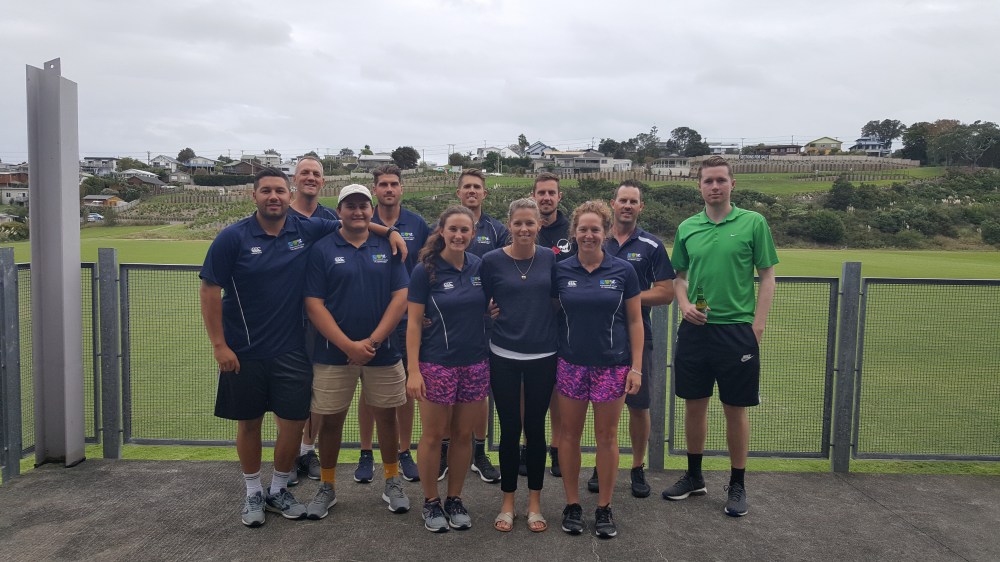
Bridge of Don Academy to Whangaparaoa college and back – 2 very different environments. Both worlds apart from the outside and you would judge them based on a number of criteria, but as far as I can see powered by purpose and passion. As long as both remain rich in opportunities there is a place for young people to grow and develop.
The message from the Maori Quartet centred around being true to yourself, your motivations and the important things you can look after in your life. Without making this a full on gratitude journal I have to say that a little bit of perspective, getting outside the bubble and seeing life on the other side helps to cement what’s truly important to a fulfilled life.
Lead on,
Hayley 😊
FB_IMG_1486266731005

Ode to the Land of the Long White Cloud – Aotearoa, New Zealand

The Maori people saw a long white cloud on their approach from the sea and ‘Aotearoa’ was fondly named. 

A land where beauty is so common, your eyes become accustomed to the intense green of the vegetation and contrasting blue of the sea and the sky. A land where the people have a deep sense of self, community culture and are not afraid to be themselves! A land once visited, you will forever carry a piece of it in your heart and your mind. To experience living in New Zealand has had a profound and lasting impact on my life and work and here is why…

20180224_154347

In this blog we will take a look at the Kiwi way, preventing burnout and what we can learn from forward thinking programmes. I want to delve deeper into the solutions and what I can offer from my experience…. read on to find out what I have in store for you- the loyal blog follower and how you can help make a difference!

But first, let’s look at the workplace in a secondary school north of Auckland. I was well aware of the restorative approach to teaching having completed a placement in NZ in 2010, but 7 years on it was proven that Kiwi’s don’t like to be stagnant in their practice.

Lessons from Kiwi kids and teachers.

20180413_154832

On starting work as a teacher of PE and Health I was excited and arrived with an open mind. Little did I know, ‘open-minded’ meant – forget all perceptions of classroom and behaviour management and refresh! Seriously, I had to start over… It was relationships over task, relationships over workload, relationships over logistics- relationships trumped absolutely everything! Everything! This took me a number of weeks to understand and grasp. I discovered that I had to build and maintain genuine relationships with all learners. Relationships that weren’t based on manipulation, scaremongering, or persuasion that I had previously been prone to using in order to get ahead. Kiwi kids really did not respond to displays of frustration, displeasure, disappointment and certainly not to shouting as explained in an earlier blog on the Ego.

59e4a9a2d4e920b4108b5560-750-562

It was the complete and genuine relationship building (that took weeks even months) that calmed my teaching down. I went from constantly; bossing, managing, dictating, shouting and screaming orders to; stepping back, facilitating, coaching and mentoring! It feels so natural to teach in this way and my ‘bite rate’ significantly reduced. The amount of times I would negatively frame behaviours reduced, in line with my ability to not sweat the small stuff. It goes without saying that I still maintained boundaries and safe teaching practices but had no need to prioritise how I felt over what was right to do in the moment.

Thanks goes to…

20180106_122308

So for all of this learning firstly, I am recognising the Kiwi kids for their sturdy righteousness! They were the ones to prioritise a strong student/teacher relationship to allow the rest to naturally follow. Secondly, I learned a lot from my fellow PE staff who were all Kiwi’s themselves and were naturals at leading kids holistically. At times I witnessed pure genius in action as they gained positive results for even the most difficult of learners! And finally for the true delivery of  holistic teaching- my thanks goes to the Maori teacher who embodied the principles in practice. With such ease and grace he guided learners by showing the true definition of what it means to be culturally responsive. He gave meaning, purpose and value through his pedagogy, cultivating true leadership in learning.

As a result of this philosophy my energy levels when teaching increased, my mood on a Sunday evening and at the beginning of the day improved. My ability to control feelings of anger, rage, disgust and frustration all altered as well as levels of physical and mental health.

Sustainable energy consumption.

FB_IMG_1524796444346

As I reflect on this experience I realise that I have learned how to enjoy teaching without sacrificing my physical and mental health. I know that this is a totally new concept as many of us see stressed and overworked teachers all around us. I may also not be the only one who thought to myself (in an exhausted state);

“It’s the nature of the job, teachers all around me feel the same so I must be doing a good job..?”

I also realise how important it is to understand your body and mind to understand stress management. Just because everyone else is suffering from poor health does not make it ok, it means we have to do something about it before more people leave the profession or worse become sick!

Previous to leaving Scotland for a career break to teach abroad I was completing a number of roles across school and doing contract work also. I applied a lot of energy to these roles and had very little down time. This in hindsight was a one way route to burn out!

I only realised through teaching in New Zealand that there is a more sustainable way of working. The Kiwi way is smart yet still yields the same if not better results for staff and pupils, because there is an emphasis on prioritising health.

Avoiding burnout.

20180707_171428

Burnout can be short term or long term in its effect and may even come under the disguise of end of term cold/flu, to full on physical or mental illness. There are a number of ways to proactively combat these effects and rethink priorities for positive stress management. Lots of us see the end of term finish line, or in other industries, making it to the next bank holiday or annual leave. This can mean that we apply an attitude of;

“Work now – rest later…”

We sometimes forget the small things, like taking a break or stopping and sitting down for lunch (at your desk doesn’t count)!

The mindset in which we approach our work, any work in any sector can determine our levels of stress. Individuals who find that they respond to pressure of deadlines may also find they get caught juggling many projects until the sprint at the very end to get everything done at once. This can result in you not completing your best work and neglecting other areas of responsibility- again I am speaking from personal experience – guilty as the list queen but never completing a single list!

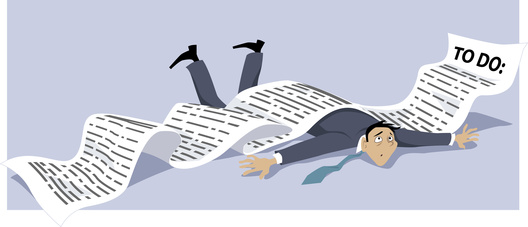
to-do-list

By learning some new techniques such as; “mono-tasking” rather than muti-tasking we stay focused and feel accomplished at the end of the day. If that doesn’t work for you then you might try the ‘3×3’ approach. You write down only 3 things on a list, only once you complete all 3 can you add 3 more! This way we become better at prioritising, make clearer decisions and don’t get overwhelmed with huge long to do lists.

It’s very easy in theory to read about these simple changes but how can we truly make sure we don’t get bogged down? You can be pro-active by taking stock and asking yourself;

“What importance do I place on my health?”

Yes, I am asking about all areas – as uncomfortable as it may feel give yourself a score out of 10 for;

  • Physical
  • Mental 
  • Emotional and
  • Social health

There are days when you can be a 9 out of 10, others when you feel like a 2. What’s important is that we recognise there is a scale. As long as you move up and down within reason, then your mind and body are working together. If however, you are stuck at the one spot for a prolonged period of time (especially at the lower end) then it can be a sign to ask for help and support.

As we are looking at health management and approaches to positive mindset we must recognise the influence of previous experience…

always-did

If you have experienced stress before, which I am sure you have in one form or another…how did you view it? Did you straight away think this is bad, feeling stressed is uncomfortable and I don’t like it? I know that I felt stress and worked hard to ignore it or tried to out-run it somehow! Madness, when I know now it always catches up on you! From the lessons learned in the ‘M’ Word Blog, I realised that the presence of Adrenaline – a stress hormone, we can perform at our peak and use the energy created from the “stressful” feelings to produce some of our best work.

Inspired to create change.

FB_IMG_1516049259955

When I saw, heard or felt stress I automatically attached a negative label to it. Through my work completed over the past 2 years I have experienced both the negative and positive effects. As I took on new roles my passion for learning more about this topic has grown. Living in New Zealand has inspired me to further my experience in the field of Personal Leadership and healthy mindset. This is why I have decided to run a pilot project on my return to Scotland in the summer!

This is where YOU come in! Thank you so much if you are still reading – it’s time for me to give back….

I want to learn and share human experiences around mindset and personal leadership. This project will be in the form of a community workshop and will look at personal leadership hacks to combat burnout. It will be collaborative and make use of design thinking techniques fresh out of New Zealand as well as a place to share all of your own valuable experience. Although much of my content has been based on teaching, this workshop is for everyone of any; age, gender, ability, employment status or education. An altered relationship with your health and mindset will not only help you at work but in other areas of your life too!

images (5)

If you are interested please click the link and apply for a place on the project. I would love to hear from people from all walks of life, passions and interests – your input is invaluable! More details will be sent out via email when you sign up. If location is an issue or you have any questions please get in touch with me personally or by clicking here.

Thank you once again for your interest in the content of the blog and sharing ideas and feedback. Little did I know that a travel blog would turn into a space for sharing personal and professional learning with over 3,500 views! I am truly humbled and grateful for the support. I have been inspired and empowered to take all I have learned to benefit those around me.

Take Care,

Hayley

To Those Who Have the Power to Change and Lead the Way…

Thank you to everyone who read part one and welcome to part two. As promised this blog will continue with lessons learned from challenges faced, and opportunities that have followed. I will uncover personal development programmes, perceptions and priorities for mental health. There are a number of links to great work so get ready for a full line of open tabs! 

FB_IMG_1527228989438

One of those lessons looked at how we perceive stress. We are at times a glutton for punishment and enjoy telling others how stressed we are (which I have been guilty of). To this problem we were posed with the statement;

“Where the focus goes the energy flows.”


images (3)

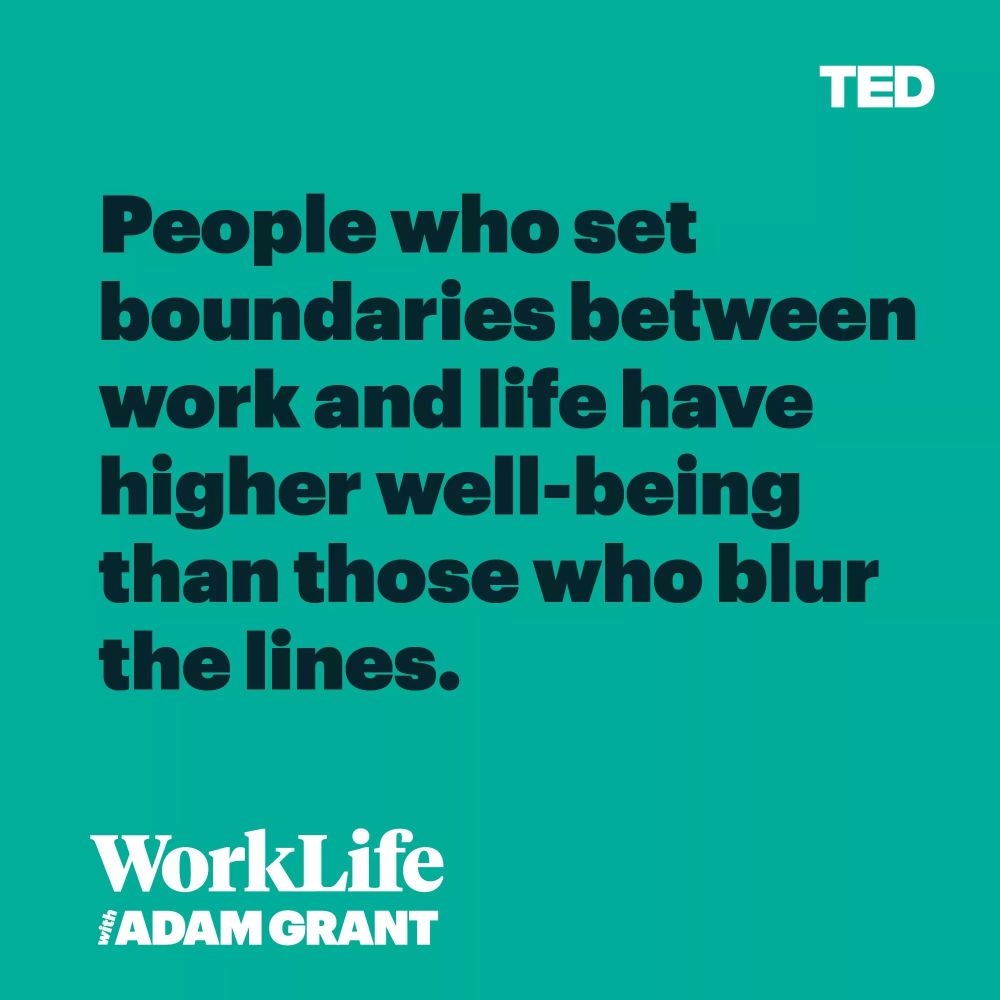
Well-being and work/life balance are key components in stress management. The ability to expend energy, recharge and de-stress before expending further effort is challenging. I was very good at spending energy and previously had put job satisfaction and achievements down to the amount of energy spent instead of recognising the influence other factors had on success. There are other prerequisites to success- once you learn the skills necessary to perform your job you can start to recognise your own talents and skills which have a greater influence than we like to admit… 

This is where I introduce the first game changer, the incredible Briony Mackenzie. Briony has her own personal coaching business – Untapped. She is based in New Zealand but reaches clients far and wide due to her ingenious online business model. She challenges the norm and takes on the role of the mentor you never knew you needed! 

FB_IMG_1527228833205

On completing an eight week transformational personal development and mindset course, I was able to define more clearly the positive aspects of my work and life and areas which were holding me back. Big learning happened a few weeks into the course when we were asked to interview 3 people in our life and identify our key strengths and weaknesses. We uncovered the ugly truths of our personalities, limiting beiliefs and positive ways to become better leaders. With Briony’s skills and experience we looked at how to live purposfully and how to create goals in line with personal values.

FB_IMG_1527228757833

Briony was such an inspiration as a coach, having left her full time profession as a lawyer to pursue her passion of helping others through personal development. Briony has helped me and so many individuals reach higher levels of awareness and insight, at 24 she has also led the way as a young entrepreneur. She has reached out to a broad spectrum of audiences, coached individuals, groups and challenges the norm of employment in modern society. From designing her own website to challenging us to reach our professional and personal potential she epitomises courage and creativity. Thank you, you will never know the power of your actions as they are so far reaching and bigger than all of us!

FB_IMG_1527228804576

So what led to the decision to embark on an 8 week personal development course when life and work in NZ seemed to be in balance, and I had left behind stress caused earlier in the year…?

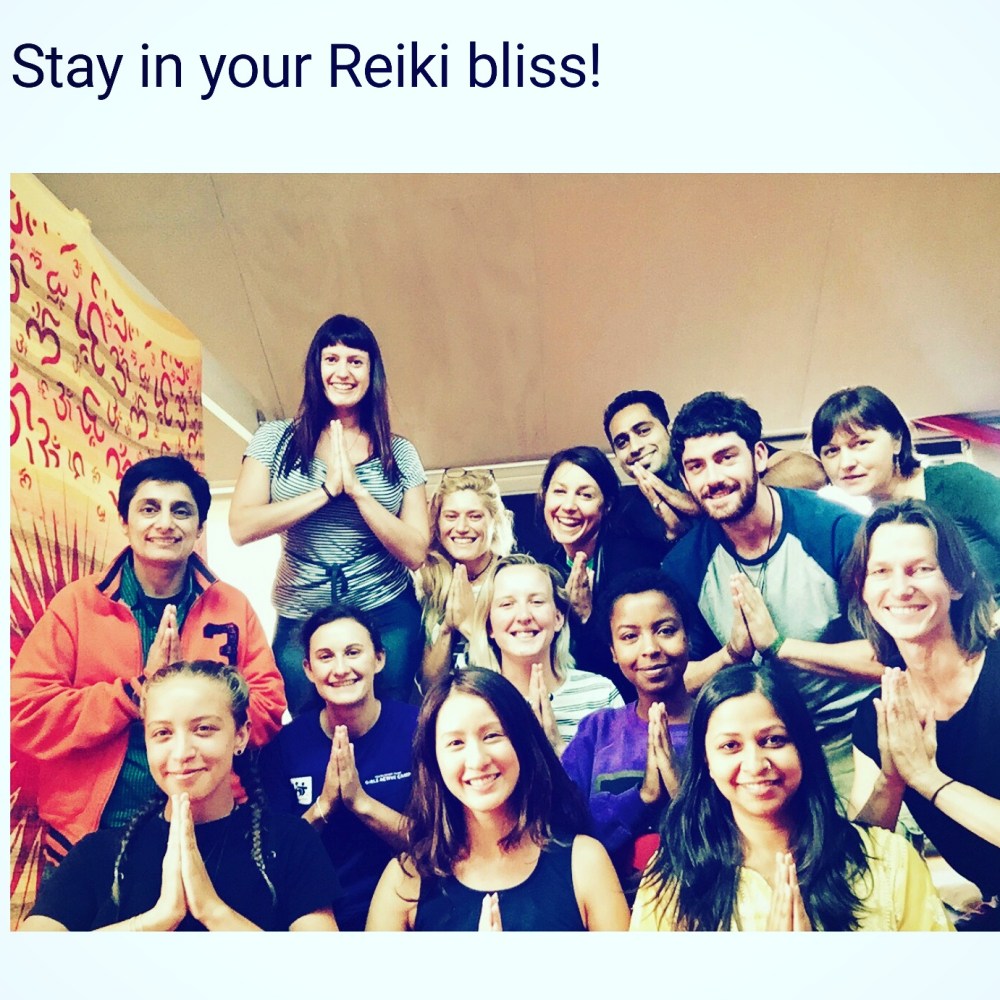
Every cloud really does have a silver lining and with each challenge comes an opportunity… I found a course in Melbourne that would  challenge my understanding of health, self perception and ignite my interest in self development. Joining a diverse group of people we were guided through a level 1 Reiki qualification.

IMG_20170213_192014_069

Reiki is an ancient Japanese method of healing used on the self and others to cultivate and channel energy.

This 2 day course was led by Lee from Sacred not Scared. She was a very knowledgeable and intuitive leader with incredible insight and power to tap into energy. Lee like Briony, left her corporate job, along with a six figure salary to embark on her own venture – starting up her own business and helping to heal with her incredible abilities.

FB_IMG_1529255539409

The course was much more than learning about an ancient art, as it highlighted the importance of prioritising your own health and the impact it has on those around you. We normally wait until we feel truly awful to ask for help or wait for someone to reach out. Just like signing up to a personal trainer to maintain or improve physical fitness, we need to do the same for our mental and emotional health. The development of a healthy mind starts with adopting healthy habits to live by.

Using this new found knowledge of working on the mind in the same way I did my body I tried something totally new…meditation!

59e4a9a2d4e920b4108b5560-750-562

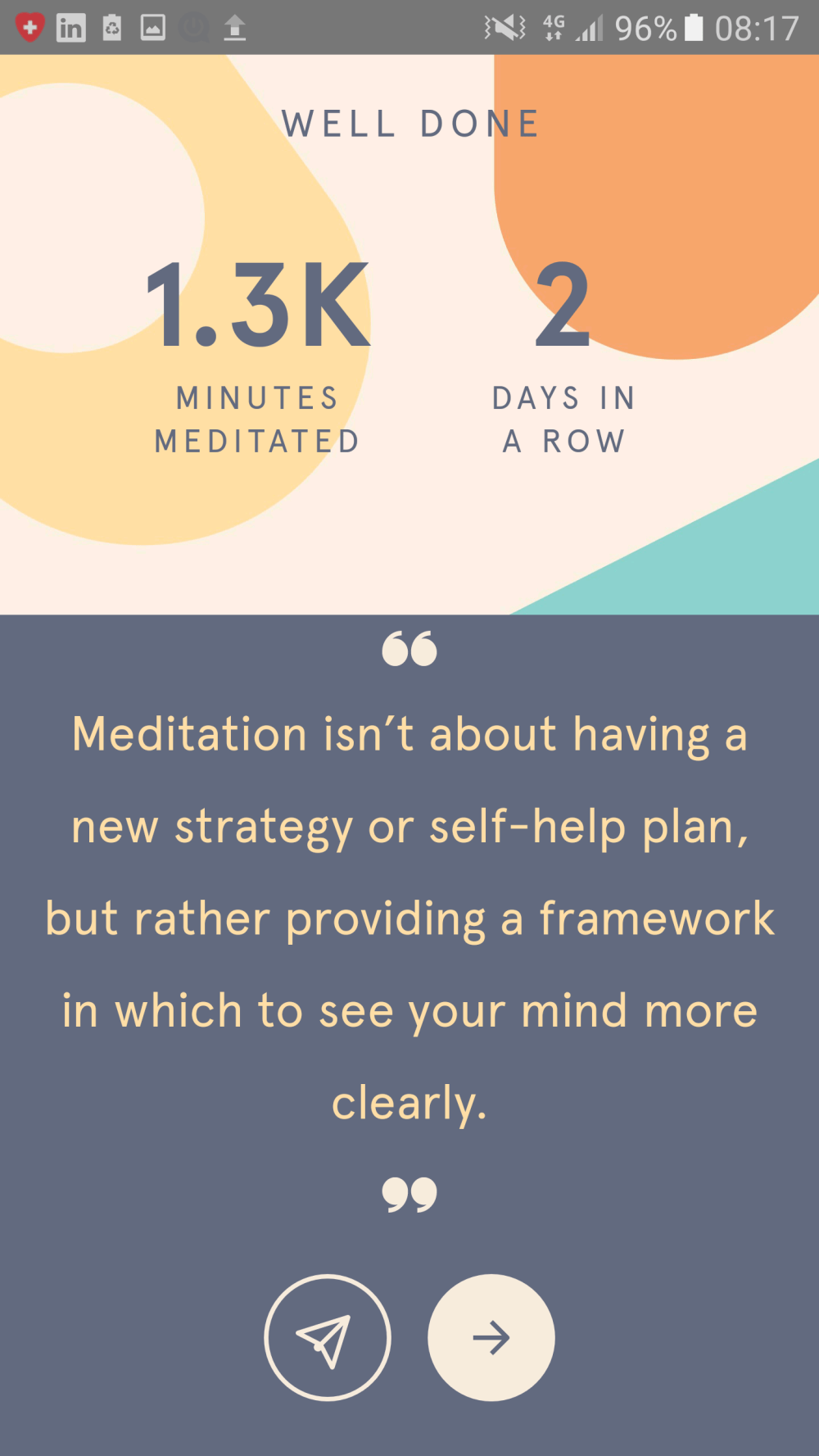
When I thought of meditating, like many people – a picture of a Buddha dressed in orange, floating with crossed legs popped into my head…after trying it for 10 mins over 10 consecutive days, I was proven  very wrong! I use the app Headspace usually in the morning for guided meditation before work. This was the first time I had attempted such a routine based on non-physical workout and I would not be able to see the external gains in a tangible form by looking in the mirror.

I will not lie it is very difficult to meditate at the beginning and I was so easily distracted  and more often than not fell asleep! I learned that meditation can bring any residual tiredness to the surface making it hard to stay awake. After 2-3 weeks of meditation sleep apnea I started to notice a change in attention span and ability to control elements of my thoughts. This is just the beginning of finding the benefits and now 18 months in have learned we cannot be perfect when it comes to managing our thoughts, and shouldn’t have the expectation to ever completely control everything in our mind.

Screenshot_20180126-081711

Taking time to switch off and be mindful can seem easy to understand as a concept but harder to put into practice. Technology can hinder us in rest, but as seen with meditation it also can help. The Forest App once activated will display an image of a seed so long as you don’t touch your screen – it will grow into a tree. It can promote good habits for screen use, becoming present and making the most of your down time.

Now all of these techniques and courses are very good at growing awareness and mindfulness. And as you can suspect there is a ‘but’ coming…they cannot fully treat an issue at the core, but can ease symptoms of certain niggling thoughts and feelings.

I am quoting a very talented and forward thinking lady from closer to home, Miss Kirsy Giles an experienced and qualified Cognitive Behavioural Therapist. She advocates treating issues at the source through world leading techniques and has had success in many areas of her career.

FB_IMG_1527230042160

Kirsty provided me with valuable advice as mentioned in the M word. She helped uncover the root of stress and changes in mental health; from this experience I learned that I had let stress rule me, my thoughts and experiences. If you do feel this way – you are not alone (make contact with someone or click the link below) and to justify our feelings often find ourselves saying;

“I’m fine” or,

“There are people worse off than me!”.

There are a number of people who will find that mental health to them is something they think about but dont act upon. Others recognise and maintain their physical and mental health through a range of healthy rituals. And for some –  life can be dictated by mental health, and the constant struggle to maintain control can become exhausting. This is where the influence of professionally trained individuals can make a significant difference through interventions to reach positive solutions.

Again, if you are reading this and feel you need a helping hand or want to help someone you know. Speak to someone you trust, reach out, offer support. That may be a phone call with someone like Kirsty or another professional too see what options suit you or your situation best. There is no shame in asking for help as it is always ok not to be ok! Choose an option that will work for you as there is a range of professional therapies. Just as you would seek help for a broken bone, have someone help you if you are just not feeling yourself and you never know it may help you in many areas of your life.

If you have received support in the past, reach out to show others that isolation damages health further, and working through tough times with professional help and support is an investment now and for the future. Take time to find out how your family really are and have open and honest conversations about your physical and mental health. One small step, such as a message to someone to show or ask for support can be the boost needed. Dont wait, now is the time to show genuine acts of courage, I did and others are reaching out because I took the first step to greater acceptance!

I want to thank you once again for taking the time to read this blog piece and many others. The support for each topic has been overwhelming and I feel very lucky to share my learnings on this platform. If anyone wants to get in touch please feel free to message, I really love hearing all forms of feedback.

Peace Hayley


The ‘M’ Word

images (1)


We navigate our way through life, facing a number of challenges – some well within our control and others, outwith any means of control or reasoning. We worry about problematic fears; the what ifs, should haves and could have thoughts. Lots of energy can be channeled into protecting ourselves against the negatives, but how much is too much worry and what does that do to our health and those around us?

In this 2 part blog I will take a look at our mental well-being, mindfulness, challenges we face and lessons learned from living and working abroad. Part 1 aims to discuss our mental health and factors affecting stress. This blog is for everyone; the teachers, expats, health care professionals, self-employed, engineers, farmers, family and friends. Please note my intention is not to step on any toes, I am taking this opportunity to discuss a very delicate issue that we all face. I have reflected on personal experience to open up and show that it is always ok, not to be ok… I would welcome honest feedback on this one and feel free to comment and give personal opinions or experiences.

Mental Health (let’s talk about it and recognise we all have it).

images (2)

The good thing is that, this is the greatest and most opportunistic time for discussing and acting upon our mental health.

Only a matter of years ago mental health and other non physical well being factors were swept under the rug. Now we are having conversations in our communities and seeing awareness build in the media. There should be no shame in admitting to struggles with our mental health. It should be just as straightforward as a conversation about our bad backs…

Chemicals Everywhere (primitive brains explained at a Leadership workshop).

images (3)

We are ruled by chemicals, and they are designed for our very survival in sometimes extreme or hostile environments. In modern day reality, we live in safe comfortable homes far from sabre toothed tigers and life threatening decisions.

These chemicals hold so much power over us that a lot of our behaviour and many relationships are created and shaped in their presence.

Let’s take a look at 4 of them;

Adrenaline

Adrenaline is our safety chemical, the fight or flight response can be initiated in the presence of adrenaline and its buddy cortisol. This curses through our bloodstream when we predict or sense danger. Now, in our everyday lives we do not experience life or death scenarios as much as our ancestors did and therefore  we don’t have to physically move, fight or prepare for battle. What we’re left with is an oversupply of stress hormone in our bodies because of problematic dangers experienced through interaction with problems and nowhere to channel our adrenaline.

Serotonin

Serotonin keeps us alive by searching for significance. This chemical is responsible for feelings of pride and status. Everything that we do is in search of a little or a lot of serotonin and can lead to great acts of kindness as a trade off for a hit. This is a positive chemical present in strong communities and teams allowing people to help others, create trust and contribute whilst in quest of their own belonging.

Oxytocin

Oxytocin is the one we rely on for creating connection, human connection specifically. This chemical is released through human proximity and promotes survival as part of a pack rather than individually. You will see truly great leaders adapt to their situation with grace as they adopt behaviours of the group to allow for greater connection. Humans are social animals and require this chemical for self preservation and survival of the race as without it we couldn’t reproduce and sustain strong bonds with others.

Dopamine

Dopamine provides us with the need for growth and development. Dopamine is a reward chemical, it is highly addictive and can be toxic if released too often. Generations ago this chemical allowed us to continue to hunt and forage as we received a hit when we picked a berry or 2 and had the motivation to carry on and collect enough for the family. Now, we are seeing a dopamine epidemic as tech companies manipulate our brains – rewarding us for posting pictures that recieve x amount of likes or gaining points on a game or streaks on snapchat. The brain does not rationalise the behaviours that lead to the release of dopamine and this is especially dangerous for young people whose brains have not yet fully developed.

Stress, the silent creeper (experience as a cover teacher in Melbourne).

FB_IMG_1525594489477

As someone who grew up with huge amounts of oxytocin and serotonin from my immediate family and community, a change in environment and work brought about a change in chemicals. My behaviours and responses acted in an unnatural way and I experienced unfavorable conditions in my work. I knew that something was not right when I felt an increase in negative thoughts and at times felt out of control of my mood. The increase of adrenaline and dopamine created the perfect conditions for stress to thrive.

The presence of adrenaline is experienced throughout life. This can be extremely useful in sporting performances, presentations and acts such as childbirth… but since I was doing none of the above I started to experience the adverse effects of stress.

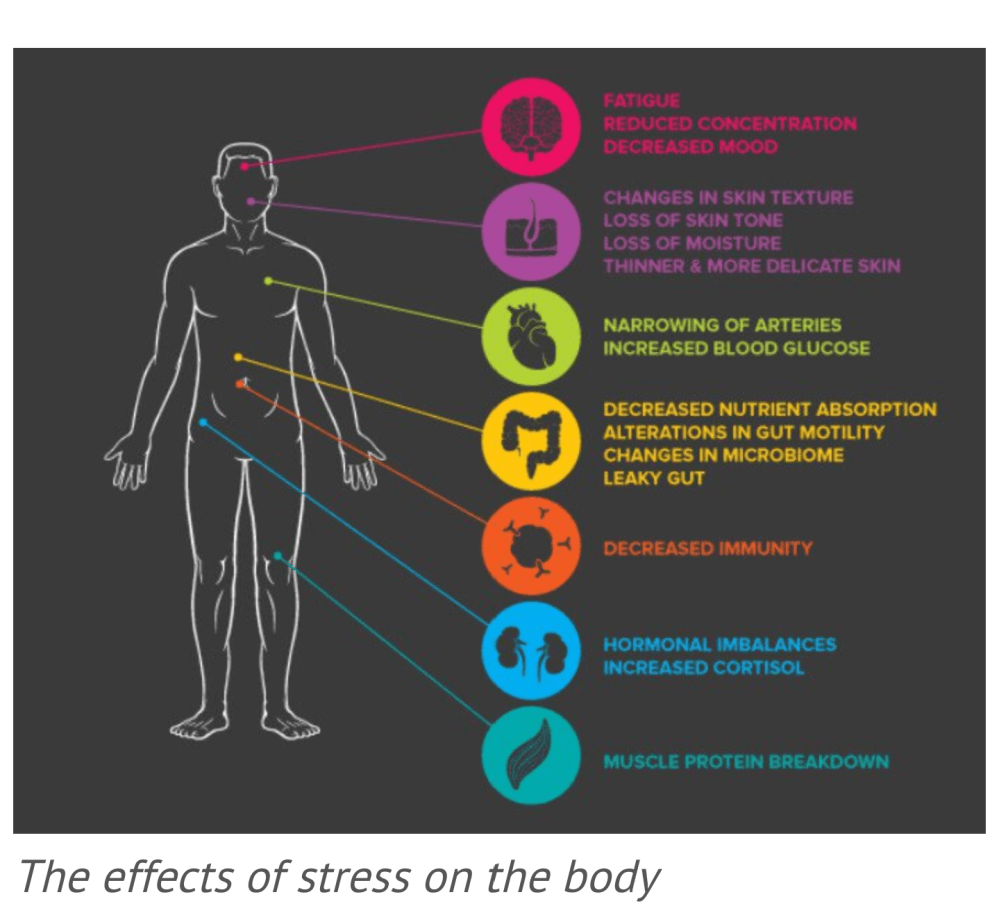
The following can be experienced during presence of unwanted stress; mood change, eczema, feeling low or flat, apatite change, fatigue, insomnia, restlessness, impatience, loss of memory or sense of humor.

Now, I’m no doctor and not claiming to give medical advice but speaking from personal experience I know how I felt a mix of the effects listed above. **

My experience led to physically shaking when trying to sleep at night. I felt tired most of the time and struggled more than ever to just switch off! 

I was personally ashamed to admit that stress had got the better of me. My perception of travelling to Melbourne to work had not been met by reality and it took those closest to me to help prioritise what mattered the most. Too many times I thought; “It’s just a bad day” and too many times, pride stood in the way and admitting to a failed plan seemed unthinkable.

** if you are reading this and nodding your head and may be feeling the same or know someone who is, this is an opportunity to talk to someone you trust and reach out. It can start with; “I just don’t feel myself”, or offer to help and chat. Usually a hug is a great place to start as oxytocin will release and help calm those adrenaline filled nerves. Isolation is what stress wants but not what a person needs to dispel the effects.

This cycle was explained to me by a professional who knows first hand the effect of stress if left untreated;

“By not speaking out, we stay in the same cycle of pain and we then damage others around us and we get confused and even more stressed when they don’t seem to understand us. It’s a cycle that continues if not altered.”


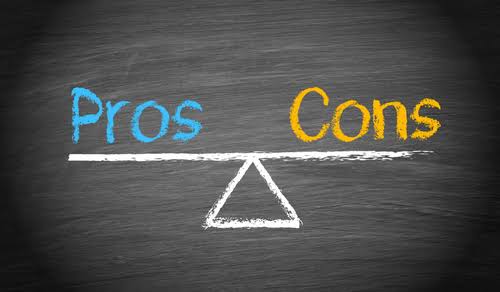
Admitting defeat and moving on (the famous pros & cons list).

images (4).jpeg

There came a day when we chose to prioritise our health ahead of our jobs and on that day we drew up a pros and cons list… That list was quite revealing in it’s contents, so we cut our losses and set new goals to work in New Zealand!

When personal health and well-being becomes affected its time to change the environment that led to stress if factors which cause the stress cannot be altered.

It sounds like a rash decision but our deciding factors allowed us to recognise the importance of environment and priorities.


Dr Rangan Chatterjee a GP, BBC tv presenter, researcher and author calls upon his studies to share that 10% of our health outcome is due to our genes and 90% is down to environment and the way we choose to live. When patients are asked about prioritising health, the most widely used excuse;

“There just isn’t enough time!”

Well, unfortunately the reality of neglecting the self has become a huge cost, both economically and for our health services. Looking after yourself starts at the top – you guessed it… mental well-being. During mental health week 1 in 6 adults in the UK had experienced a mental health issue from;

“Pressures of living in the 21st century.”

I had felt pressure before, in fact had dealt and managed greater pressures previously. I had not however, dealt with stress in the absence of hobbies and community support. Taking some down time with those you care about the most is the greatest stress reliever and nothing else can come close….especially not technology.


Downtime with loved ones releases healthy amounts of dopamine, especially when enjoying a role within your community. But if the act of gaining dopamine is paired with technology, our cravings for much needed validation are met in a very different way.

I experienced these feelings personally as a recovering instagram addict; editing, captioning, hash-tagging, posting, checking for likes, checking again, reading comments and so on it went! This was especially prevalent during times of increased stress… I am well aware that many businesses make use of social media to reach customers – especially individuals who are self-employed and don’t have marketing budgets. If we are not concerned with making money, then we should treat smartphone use as exactly that….a treat, enjoyed in moderation.(whole thesis could be written on this topic!!)

The right mix (switching off & filling up).

images (5).jpeg

Having deleted my personal Instagram account 10 months ago along with others, I have got used to enjoying free time in the absence of technology. Other people have a good relationship with social media and healthy usage, but the ease at which we can access information can become a time consuming and vicious cycle in my experience.

Switching off allows the chemicals to balance out and promotes a rich mix of serotonin and oxytocin. We have found a love for capturing experiences on the camera again, read way more and down time is meaningful.

Everyone has their “freedom activity” that they love to do. Having an escape, a passion and time to fill up your cup is essential. Learning about the factors which prevent unnecessary stress has been a huge eye opener. Living in New Zealand provided us with incredible opportunities for personal growth and it is just the beginning. There are a number of people who have shared their valuable knowledge with us from home & NZ and part 2 will recognise their contribution.

FB_IMG_1524788842902

Until then;

If you have not already seen the fabulous Ruby Wax raise awareness about this topic, her TED Talk is well worth the watch!

And make time to enjoy something that fills up your energy reserves or help someone else to recharge their battery.

Thank you very much for reading, please feel free to pass on this blog or get in touch and most importantly talk about how you are doing mentally not just physically.

Peace, Hayley 


E  is for… ‘Eduprenurship’

People-Strategy


New year, new perspective, new ideas in line with our old values and beliefs that make us who we are and what we stand for in work and life.


2017 has been and gone; entrepreneurs dreamed up incredible products and consumers dictated many new conscious goods in the marketplace. More people than ever care about irreplaceable resources, the ‘Baby Boomer’ bosses get older and are being replaced by millennials. Some fear what is round the corner, others cannot wait to see what is on the horizon and everyone in education holds their breath to see how their industry and young people will look with the advancement of technology.


I say 2018 – the best is yet to come!


Work


6-Tips-for-Getting-Back-to-Work-After-the-Holidays.png


As everyone has settled back into a routine – some in new jobs, others in the same role with opportunity to reflect, we look outwards to others for inspiration and inwards to see what we have. Do our organisations represent the values they claim to hold? Do we feel valued as employees and do we maintain and build strong relationships with the people we work with? These are questions being asked by a number of people across industries and more consistently by young people.


After spending time working with young entrepreneurs at The Social Experiment in Auckland I found that there are a lot of like-minded people who are searching for meaning and purpose in their work. Being treated as a number in a large organisation, collecting a pay check at the end of the month with the occasional bonus doesn’t seem to motivate us… We feel much more pride and job satisfaction from the strong chemicals released when we form trusting relationships and complete genuine sustainable work.


Education


supergirl


What part does education play in this shift of mindset and culture in the young workforce? Well, rather a lot as it turns out! In years to come education will prepare young people for the world of work but also there is now a calling to be met from the employment sectors as they wonder how on earth they motivate and communicate with a generation of young people who place high value on intrinsic reward. Employers will want to know how to gain the best return on investment when they hire a young person and the World Economic Forum has already recognised there is a need for education to help fill this gap.


After meeting and discussing recruitment in professional services with a senior consultant from a large corporate company in Auckland I found that there are a number of skills prioritised in the selection of new graduates. She shared with me that a number of sectors including education, would benefit from knowing the skills required from an employer’s perspective:


  1. STEM top trumps on CVs.
  2. Grades are no longer the single indicator of quality of a candidate.
  3. Goodbye IQ and EQ say hello to AQ and CQ.
  4. Human values such as respect and integrity are taken into consideration.
  5. Use of relevant technology is proof you can provide clients with solutions.


There is a large amount of knowledge about future candidates held within large organisations and educational institutions, now those in charge on both sides have the responsibility to share their knowledge. It is a benefit to all if schools can help to build the foundations and companies can understand how to fulfil their potential in a meaningful way. Schools have the greatest and most valuable amount of data as the first 11-13 years of a young person’s life is spent in the education system – imagine companies capitalized on this knowledge as a resource for future growth!


Flearning

success fail


When we are young we are pretty bad judges of our future self because of a lack of life experience. The same applies now, and as life is really an experiment with lots of failures and learnings, we must take care in the language we use about success and failure. Support to allow failure to happen in a learning context is key, and as we do this we redefine success; as not a smooth sea but a skilled, adaptable sailor.


Giving young people meaningful life experiences will prepare them for many possible outcomes at each stage in life. The more failures you have, the better you get to know yourself, the better you become at problem solving and the better you become at judging what’s right for you currently and in the near future.


One of the amazing entrepreneurs who spoke at The Social Experiment said that we should change the focus, and should encourage ‘flearning’ as failure is the best teacher and we know ourselves the more we fail the more we learn.


Providing experiential learning experiences through project based activities will assist in preparing young people for the future. Right now we have education systems in place which were designed 200 years ago, separated into subjects fit for the age of industrialisation.


Reality is, the teachers reading this will be able to identify a teenage student they know who is already earning money through a Fintech initiative or coding in their free time! If we want to keep education current and relevant for students and teachers we need to invite and share the education space allow teachers to become ‘Eduprenurs’. As it turns out from my research this is not a new concept and if schools do not realise the contribution teachers want to make then they will leave to capitalise on their skills to the benefit of others.


Eduprenurship


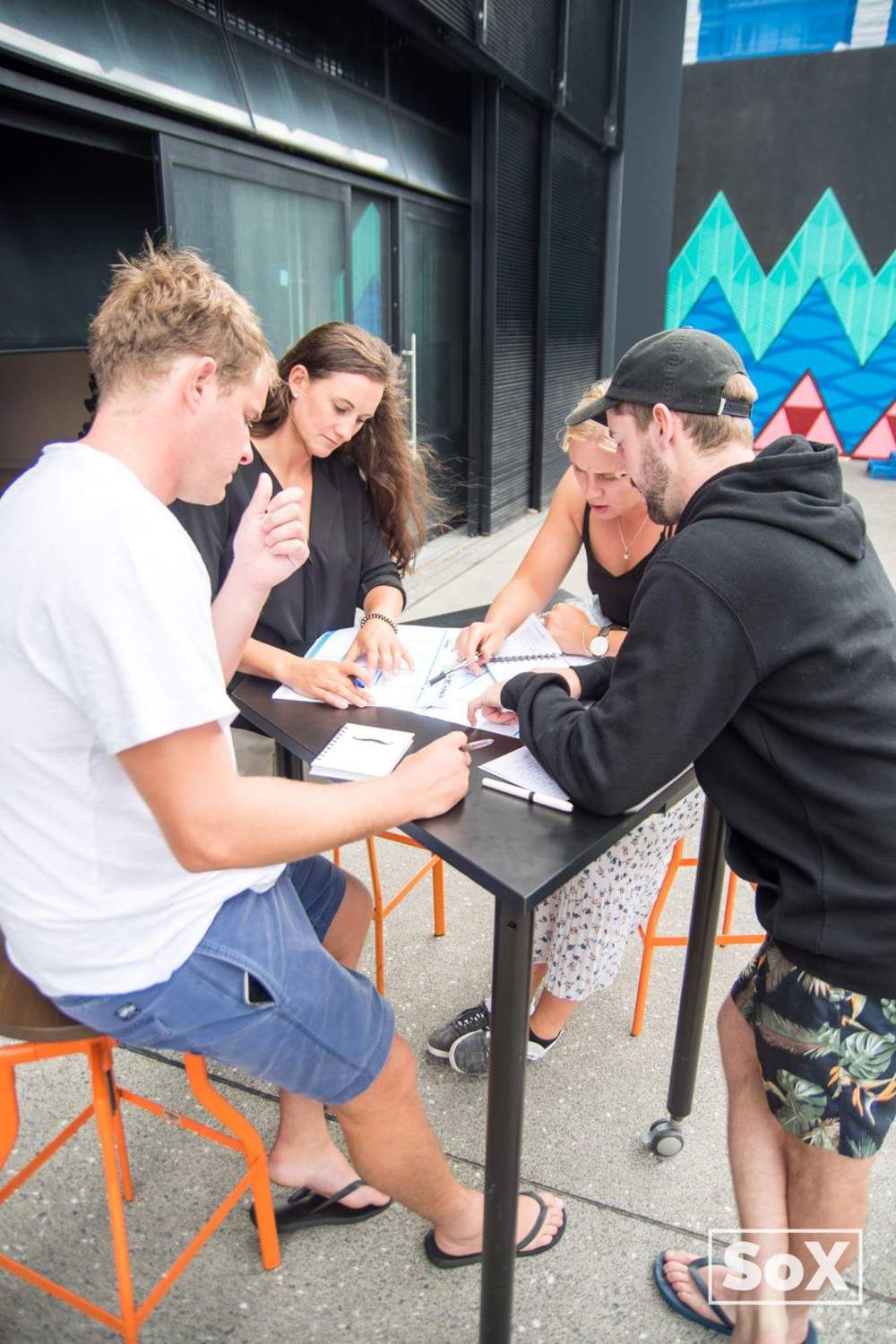
sox circle


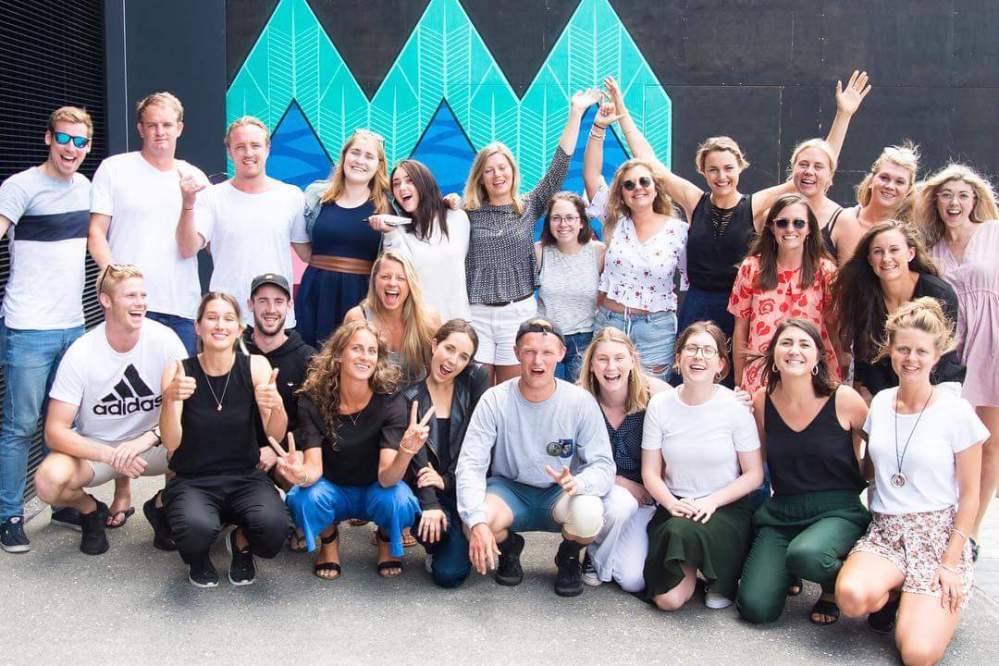
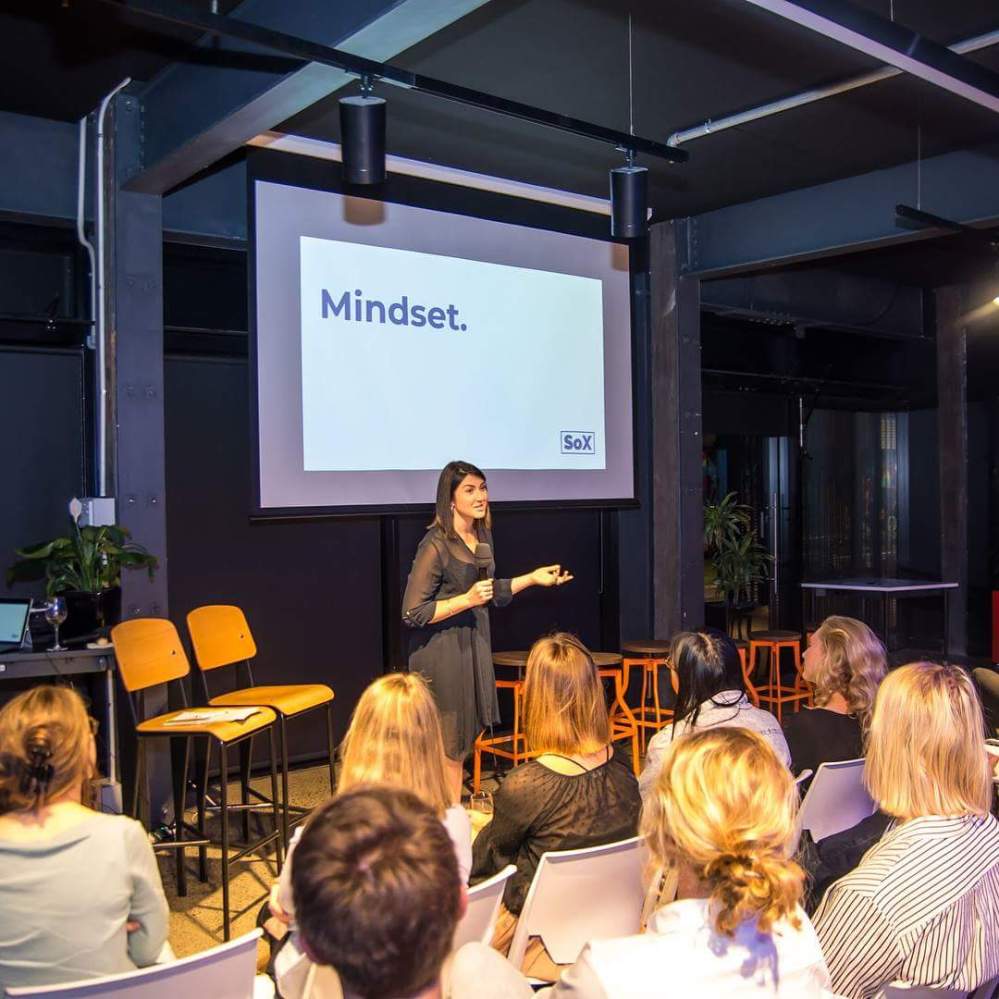
Having attended the SOX earlier this year and it was categorically clear that people who have the capacity to make a positive change to our communities will empower our young people with entrepreneurial approaches to education. We covered topics from climate change, to equality in the work place and 80% of the solutions discussed involved an education programme.


It is scary to think that the way we teach must change to meet the demands young people face now and in the future. Fear surrounds us in education especially when we have to constantly change and more rapidly than ever before. Fear stems from a lack of information and that fear helps us stay safe from the unknown so we don’t venture into unchartered territory.


Claiming that we don’t have the skills as teachers can no longer be a fall back, because we in actual fact don’t have the skills and never will… But there are so many people out there who do have skills in technology, business and the like that we can utilise. We must recognise that teachers offer huge value with their experience and ability to promote life skills in our young people. Schools have a chance now to shake up the delivery of standard subjects as we move into the FOURTH industrial revolution – the digital age.


The rise of soft skills will continue in the workplace as more jobs become automated, we must be aware of what we can offer as humans that automated services cannot. It is said that between 2015-2020 that, 35% of core skills will change towards the human ‘being’ rather than the ‘doing’ skills. These innate skills of communication, listening, flexibility and so on are the traits of highly sought after intrapreneurs.


It is time; time to extend the invite, time to bring the outside world inside of the school walls, time to expose young people to new professional services and alternative apprenticeships and internships. It is time to talk to our Chambers of Commerce who can provide access and opportunities to local and national business networks spanning all industries, with the ability to inspire and lead project based learning into the curriculum and beyond.


Some examples already used by schools include; Squwksquad, Banqer, ElevatorUK, GE girlsgetset, all there to develop life skills and compliment the amazing work being done by teachers.


Future-proof


simple tool


There is a growing body of evidence and a huge call for education to catch up with the real world. The shift of priorities around young people’s learning to explore who they are and the world around them much like the Finnish model looks very attractive. The movement away from standardised testing has already happened in New Zealand as they can see the irrelevance of testing memory as machines will be doing the jobs once done by humans with good levels of retention. Not to mention the fact that teaching to a test will never prepare a young person for life after education and should never be done at the expense of the health and well-being of the teachers delivering the curriculum who are close to burn out as a result of over inspection and unrealistic target setting.


Here in New Zealand the results gained by learners in THEIR exams is not analysed with a fine tooth comb. The learners themselves gain credits and qualifications for the work THEY have done as a result of the teacher’s lessons. The learners are responsible of the grade they get and teachers are not held ACCOUNTABLE if a year group produces lower results than previous years. Factors analysed include variables outside of the classroom rather than looking inwards to point the finger of blame onto teachers.


There is NO other profession which depends on children to produce results as a direct reflection of the performance of adults in its organisation as is seen in education. If suggested that children should provide outcomes of success for any other profession it would be seen as Ludicrous! Children in every other industry such as healthcare, internet usage etc. are just numbers and provide data yet in education they are the very measure of the competency of a school?! The Government has an obligation to change this focus to what can be done in schools to promote healthy, happy children and staff alike for the betterment of society, the economy and local communities.


Taking the lead on promoting healthy decisions in education for young people to aspire to and work with will instil good habits for life. Making use of the many talents and passions teachers have to contribute to learners will increase job satisfaction and learner awareness of the whole self. When we are tasked with building good citizens not just employees we can truly make use of the skill set we have as teachers. We may just feel that sense of freedom we have craved for so long and receive the much needed trust to deliver a real and impactful content fit for purpose now and the future.

New Zealand has no time for the Ego.

images (9)

We are teaching in what I believe to be the most interesting, challenging and diverse environments ever known by teachers. In a world of so many unknowns, yet so much information we find ourselves paralysed and overloaded with advice and predictions for the future.

Let me share with you my New Zealand teaching experience 2 months in, with some examples, comparisons and the need to stay present and build awareness and strength of mind personally and professionally.

Things to note:

  1. The young people in the school I teach are referred to as, ‘learners’ I will write about ‘kids’ and ‘pupils’ too.
  2. I have included some leadership and Maori proverbs as a wee cultural link.
  3. All text is my opinion and reflections based on my experience.


The bell rang 5 minutes ago.

unnamed (2)

8.35am comes around and I walk to my ACG (academic counselling group) most of you know as ‘regi’ and I greet my class of year 10’s (3rdyears). There is no bell, no warning bell, no bells all day ever! There isn’t surge of pupils through the door all at once, just a steady stream arriving on their watch followed by finding a seat and out comes their phone to start their snapchat story for the day.

Very different to the bell ringing and having accountability of calling upon the bell as a verbal warning or signal for the start of the school day. To my amazement most of the kids are waiting at the classroom door before I arrive and the same applies to classes throughout the day.

Because the pupils are actually given the responsibility to tell the time (not difficult when they have their phones in hand all day) they arrive early in many cases.

For me as the teacher, I no longer experience that dreaded ‘bell anxiety’ that we all get near the beginning of the day and at the end of break and lunchtime. I start the lesson when everyone has arrived and is changed, and I also then dismiss my class on time almost all of the time.

I am the first to admit that I was guilty back home of hanging onto the kids for just a minute or 2 more than I should, or pushing the lesson into the final 5 minutes allocated for getting changed. For the past 2 months I don’t think even once I have been rushing to finish a lesson and it has come to a natural end because I feel in control of the allocated time and feel trusted to use my time wisely.

The dog ate my homework.

“A pond fern dies, another takes its place”.

images (12)

Homework is a thing of the past in Finland and this may seem absurd to some educators, but all we need to do is look at the world rankings and you see Finland at the top of the world PISA table.

Teaching in New Zealand feels like they have taken on some of Finland’s philosophy of allowing children to be children and pursue their passions after school rather than homework.

I have not given many homework assignments, certainly not like we do in the UK, with a set question and hand in date within the week. Now this is certainly a topic of debate with many pros and cons, I do not have the answer but I do know that more lengthy assignments are given out to complete at home rather than in school time.

I mark a whole lot more internal assessments from year 10 to 12 (3rd-5thyear) classes. Some certificated classes in PE are 100% internally assessed by the class with learners submitting as many as 6 assessments over the year. Internal assessments are given to optional PE and core Health pupils at least once a term. Mock exams are a further assessment for pupils as well as junior exams for year 9 and 10’s (2nd & 3rdyear).

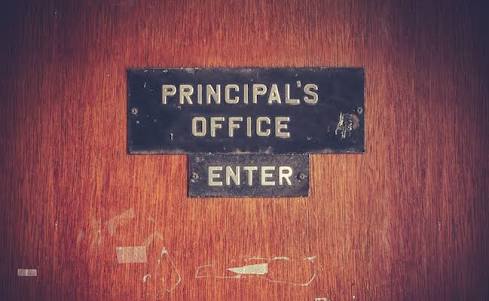
Do you want to go to the principal’s office?

“Great teachers have the ability to ignore trivial disturbances and the ability to respond to inappropriate behaviour without escalating the situation.”

images (13)

My first taste of restorative practice was in New Zealand in 2010 on a student placement in the South Island. I remember I ‘went off my head’ at a class because they weren’t listening, and they all just looked at me as if I had grown 2 more heads!

I learned the hard way that being engaging as a teacher and gaining respect could be done through some emotional intelligence and management of my own emotions. During 2010 I applied my new found restorative practice in NZ and had great relationships with the pupils.

Fast forward to my probation year in 2012, and I saw a truly inspirational leadership model being applied in a school with significant socio-economic problems. The head teacher and senior management team held every single pupil accountable and this yielded incredible behaviour and exam and results. As a teacher in this school I was asked by the principal himself to send any pupils to him that were disrupting the learning of others;

“I would happily have 20 pupils at my office and deal with them, and you still do your job with the remaining 5”.

Not only did I feel an incredible amount of support from above I also saw the success of his methods as pupils rarely re-offended and produced; apology letters for misbehaving, great results and became role models for others.

This form of charismatic leadership is truly transformational in areas where change is needed. In schools and classes that do not require a huge amount of behavioural change there is not a lot of room for this type of top-down leadership. On discovering this I had 2 things I needed to do;

  1. Explore new ways of engaging pupils from a bottom-up leadership approach, in order to avoid having to manage behaviour in the first instance.
  2. Most difficult of all… tame my Ego!

Because I say so !

“In order to lead others, one must know how to lead oneself.”

images (14)

PE teachers all know the following phrase all too well;

“Can we just play a game?!”

I have learned, the answer to this – against the will of my stubborn Ego is sometimes;

“YES!”

Just play!

No matter how many studies I read or documentaries I watched about child development, for some reason I was holding onto this control of deciding when and if the kids can play! The kids ‘play’ a lot here and there is no denying their superior skill level compared to the UK.

This teaching experience has allowed me to step/ has pushed me outside of my comfortable teaching philosophies to see me as the teacher in a whole new perspective.

Personal development the underdog of PD

“True leadership must be for the benefit of the followers, not the enrichment of the leader”.

images (15)

Now if this all sounds a bit too much like; star gazing chat…bear with me. I thought that I was going on this sabbatical to assist with Professional Development. Little did I know that I would go through challenges that were little to do with my pedagogy and more to do with the will and influence my Ego had over my decision making and reactions.

Let’s say a pupil asks you a very ‘obnoxious’ question.

Sometimes we just react without little thought and have quite a strong emotional reaction, proclaim the emotion/disgust we feel to the pupil/class;

“You make me so angry!”

Then there’s times when we pause, let thoughts go through our head, and choose a thought to act on and deliver, usually with a nice class or good student, am I right ?

The nature of a modern learning environment, which promotes restorative practice, relationships over redemption and building bridges and moving on means there is little space for the Ego to run the show.

My Ego has had to take a back seat in teaching Kiwi kids. You see Kiwis in general are very humble human beings – you just need to look at Richie McCaw to see they do not like to showcase their achievements. Perhaps it is the smaller population thing, but in schools there is not a blame culture making it really easy to repair pupil/teacher relationships and move on.

Spending time and energy holding onto a grudge with a pupil seems nonsensical to them and they do not have the in-build chat back from their Egos that we experience as teachers;

“You cannot let them get away with that.”

We listen so often, to the internal dialogue between our Egos and emotions determining our actions that we have little control how and what we say in heated moments.

Professional development has certainly happened, but teaching in NZ has been personal development that I hope will inform and influence those I work with in the future.

When asked by my tutor at Uni how much I know about Physical Education out of 100%, I said;

“25%”

Now, I believe I have just reached base camp and the real answer is about, 2%! We are always learning and the environment we teach in is constantly changing. I hope that the next part of the journey includes applying personal development into a professional context and the 2 can play their part respectively for greater awareness for teachers and pupils.

Thankyou – persue your passion

images (8)

It’s bold. It’s inspiring. It shows, you have the power to change stuff…
What is thankyou?
Thankyou is a social enterprise based here in Melbourne which has challenged market leaders, inspired the public and changed thousands of lives through some of the most effective game changing, business strategies!
BOLD
Thankyou was founded by 5 university students who came up with a concept to sell bottles of water in order to fund water programmes in developing countries. From the beginning their intention was to apply their 100% model. Yes, 100% of their profits go to helping people in communities where there is need.  This means that they are not offering opportunities to shareholders in order to fund their upcoming projects, nor are they asking the public for donations and have to raise the capital themselves… Some may say they are bold, others told them they were mad and many industry experts totally wrote them off as naive teenagers. The critics had only one thing right; they were indeed teenagers, just 19 when they started off.
If like many teenagers, you have ever had a dream of doing something pretty incredible with your life, you may have also have been told by an ‘adult’ that it’s not possible or my favourite response;
You won’t make any money doing that“.
I say ‘adult’ because they have been the excuse that many people give when they were asked why they didn’t pursue their dreams. Adults have authority and knowledge, and in the thankyou story the team prove that previous knowledge and applying the status quo is not the only path to success.
If you go into something with the sole purpose of ‘making money‘ that may well be what you do but you will be limited in the amount of job satisfaction and internal happiness you experience in the process.  Working with young people day-to-day who are looking at the job market, and choosing their career path – there are too many ‘do not dos’ and we aren’t encouraging our young people to pursue passions and take enough risks (more on this later).
Last week I attended a conference titled; “Mental health and wellbeing of young people in education“. This was easily one of the most informative and enjoyable conferences I have attended in my professional career. The overwhelming messages that came from the 9 presentations across the day were:
1. Young people are experiencing less time in creative and practical subjects because of increased pressures on schools to improve on exam and league table results.
2. At a time when human touch, emotion and communication is being challenged with too much technology in day-to-day lives, young people need good role models.
3. If we do not prioritise happiness as the most important pursuit in life we will be dealing with dependant, mentally unstable adults who do not have resilience and self-confidence to try, fail, pick themselves up try again and work out (for themselves) who they are and what they want to do with their lives.
INSPIRING 
How can we learn from what the guys and girls at thankyou have done? You can start by watching their Coles and Woolworth’s campaign video to see how they apply creativity and imagination to raise brand awareness. Granted they have used technology to achieve many of their outcomes but in the process they are making people the centre of all that they do. They exist to positively improve the lives of others’ can you imagine walking out the your office knowing that was your day job!
Now if you are thinking, I bet that they got an early lucky break, try asking them how many emails they sent and received in their third year leading up to their first big retail deal… 25,000! They failed more times than you can count and they picked themselves up every single time until they succeeded. The team did not stop and rest when they had their first breakthrough with their bottled water idea. As you can see on the video they have gone on to launch food and body care ranges.
On a personal level we are so incredibly inspired by this story and last week were lucky enough to meet 2 of the co-founders Daniel and Justine at their baby care launch event. Chris has met them before and has been incredibly drawn to their business philosophy and priorities both on personal and professional level. After watching the thankyou journey we know that we are part of the many people who want to make a difference.
There is a lot of work behind making a dream become reality and this is a message that young people need to hear especially when they live in a world where disappointment and despair surrounds them in the news. I actually limit myself to the amount of ‘news’ I view on a weekly basis otherwise you find yourself being pulled down by the over saturated news feeds that constantly update us about the worlds disasters.
As a very wise friend (who does not waste his words) told me;
“This is actually the quietest time in human civilisation but we believe it not to be because we are constantly updated on our phones and TVs.”
This point was reinforced when I turned on my phone to a ‘live news broadcast’ during the Grenfell tower tragedy, thought to myself this is sickening as the cameras are pointing towards this burning building people are dying inside! News has been turned into entertainment at the expense of those most in need and I was not willing to add myself to the millions of viewers feeding this market! (rant over)
I have recently thought to myself why do we feel the need to be inspired by people who have defied death, been abused or beaten a deadly disease? Maybe because it resonates with us that these people must be superhuman – there must have been something special about them that helped them to succeed. Now, not for one minute am I writing off the incredible feats of people who have overcome adversity or beaten illness, we all know and are proud of these people in our lives!
What I am saying though is that we need everyday, healthy and informed role models to inspire us to pursue our passions and follow through on our dreams so we don’t look back on life thinking; I wish I had…(insert unfulfilled dream).
The co-founders at thankyou could have followed their classmates and completed their degrees thinking that they will give their dream a shot later in life.
Go to uni. Graduate uni. Get a job. Again I am not here to offend, downgrade or say that this is not admirable – it truly is, and it takes hard work and drive to achieve the above. I am appealing to those out these who do not need a university degree in their career or those that have a dream they want to pursue. We need inspiration from relatively ordinary people who aim to achieve something extra-ordinary using the same hard work and determination seen from those who complete a degree.
More and more young people are seeing the benefits of completing internship, bridging programmes, apprenticeship or industry related training, which offers them skills they need for work that an academic degree cannot. There was no better training for the thankyou team than being chucked in at the deep end of the bottled water market and pitching to companies with their idea. They were told what wouldn’t work and what they needed to improve on which was better than any seminar they could have attended. No degree could have prepared them for how to run their business, not only because of the practical experience they gained but because they had not been conditioned to think inside the box of ‘how it has always been done’, they had no limits which worked in their favour.
The team challenged hundreds of industry experts at their own game much like the other household names; Albert Einstein, Sue Campbell, Steve Jobs and Richard Branson did at the beginning of their careers. What do all of these people have in common, apart from unlimited determination to succeed? They all made use of creativity, imagination and humility. None of these soft skills can be tested on paper or quantified – they can however, be felt. Think about how you feel in the presence of your favourite people, how good it feels to be respected or have your ideas listened to and taken seriously. These soft/ interpersonal and cognitive skills, I believe, can be nourished and built. If we kill them off in school we are teaching our young people that academic and propositional knowledge is the only measure of success. Many of our parents, friends and family members have achieved great things without academic skills and are successful because of their attributes and attitudes.
YOU HAVE THE POWER TO CHANGE STUFF…
You will be reading this and thinking, what about you and me and other people my age who have degrees in the bag? Yes, there are many occupations out there (teaching included) which requires regulation and education for safety and consistency of standards, which is provided by universities for good reason. I also know that passionate teachers can have a profound influence on your life and if you have had the pleasure of being taught by Dr William Kay at Stirling University you will agree that he is one of those educators who pushed us in the pursuit of excellence both professionally and personally. I can categorically confirm that my experience and drive to follow my passion has had the biggest influence on my career and has led to every extra opportunity I have ceased and squeezed.
There are teachers all around us in life, we just need to look for the lessons other people can teach us from their experiences – good or bad. Chapter One is the name of the first book released by Daniel Flynn from thankyou and it shows that they are not just a social enterprise, they are a beacon of light to the individuals who know that there is more unused fuel in the tank. They prove that with enough passion, people and support you can achieve anything you set your mind to, as they aimed to educate the public and fund the future. As my parents always told me when I came home with ideas for my future;
No matter what you pick, it must make you happy – do whatever makes you happy and you will never work a day of your life.”
There are days in teaching when it is hard work and there are other days when I think I cannot believe that I get paid to do this! The main thing is that I am doing something I love and have passion for.
That is the feeling that you should get working at your dream instead of clock watching and counting down to Friday, then 2 days later feeling the Sunday night dread slowly creep in. There will of course be people out there who say;
“Happiness and work doesn’t work.”
Well to them I say, just as Daniel did to his critics;
“But what if it does?”
Thankyou.
Useful links:

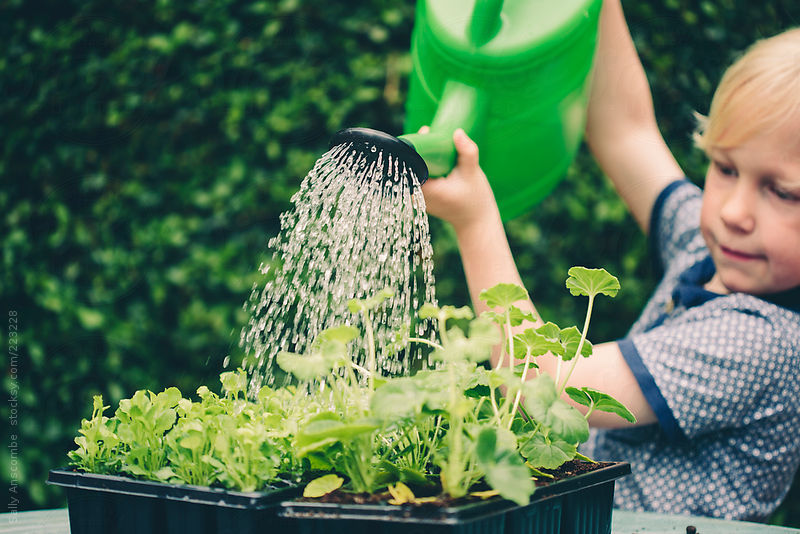
The grass is greener where it is watered

Purchase this image at http://www.stocksy.com/223228

Wednesday lunchtime (Scotland):

Sitting attempting to finish an email that has been saved to drafts 8 times since 8.30am, whilst on the phone to the ladies in the office – getting bus quotes for a school netball game, at the same time being shown a new app on the iPad by colleague, also gesturing to a pupil at the department door that you will be along in 2 minutes for a lunchtime club that started 5 minutes ago and failing at attempt number 45 of trying to eat your lunch…. A scene that many of the teachers out there will be all too familiar with!

We all know that the teaching profession is judged on the time spent teaching or contact time and we get brilliant holidays and work 9am to 3pm – easy ! If you don’t have a teacher in your family or live with one, please re-read the paragraph above and multiply by 24 then add 20+ hours teaching time you have a typical week…Little secret it’s more than 35 hours a week! If you do know a teacher you will also probably know that, they are driven by a huge amount of passion and care for young people and their development. This is not a job for the faint hearted and I can say spending more time; planning, preparing, researching, collaborating, reading, discussing, marking, chasing, collecting, recording, negotiating, reporting, analysing, designing, counselling, listening and reviewing on a daily basis than teaching is worth it. I would be lying if I said that I didn’t look forward to the bell on a Friday, but I also love the satisfaction of getting to Friday having had an amazing week!

Wednesday lunchtime (Australia) :

Sitting reading the Australian Educator, underlining and annotating the article which asks; ” What skills will make our students future proof ? “ I am also sitting down to eat my lunch, and will be able to finish it and do not need to organise trips or chase pupils for homework or lead extra curricular activities. This scene compared to my Scottish lunchtime would be the dream.

The dream if I was not passionate about my job… I am extremely passionate and do not feel the same way about my current role. I work as a Cover Relief Teacher (CRT) for Health, PE and Sport. I choose to take a secondment to teach in Australia and observe the Australian curriculum. I thought that I didn’t get much time to teach back home, well here I initiate very little learning (more on why later). I quickly realised all that what I love about teaching is everything that comes with the job, all that happens away from the spotlight of contact time all of the extra roles we play as a department that the public, parents and critics don’t see. The idea of having a quiet lunchtime to all you teachers out there seems like bliss but believe me, taking a step out of full-time teaching has cemented the reason I teach and the fact that I know that not everyone could do it, and I love that I can!

What’s the difference? 

This is a question that I have been asked a lot recently by friends and colleagues and the reason you have clicked on my blog again. Thank you and I hope that I can engage you for the next 10 minutes.

The first thing that I noted down on day 1 of teaching in an Australian secondary school;

   ” *** MOBILE PHONE POLICY??!! *** “

My observation sparked something in me, which led to the first Travelling Teacher blog. Now here I am another month down the line, having taught in over 21 schools across Melbourne! 21 schools! Before, I couldn’t have named 21 schools never mind compare their policy and practice to our Scottish curriculum back home.

Because we now live in an instant world where adverts are shorter, people can be liked in an instant and if we don’t like something we have such a variety of choice  that you will switch off or over if I don’t get to the point. As of 3 minutes ago I started competing with these alternatives so here’s the differences – from daily school policy to classroom practice.

Key alternatives :

– Music is played over a tannoy system in the morning to signify the start of the school day and played again at end of break and lunchtime usually in place of a bell. Some schools don’t have any bells or music and pupils and teachers have to keep track of the time.
– ALL teachers do at least one yard duty (20 mins) per week, ensuring pupils are safe and setting good examples during break and lunchtime.
– Uniforms are bought by parents and strictly enforced across the school. PE Uniform is also purchased at the start of the year for all pupils to wear matching kit with the school logo on it. In winter rugby tops as well as tracksuit bottoms are available for PE participation. Junior pupils wear PE kit to school (and stay in kit) on days they have PE and Sport.
– Staff dress code is much more casual than home. On day 1 I could not decide which staff were the PE teachers as not many staff were wearing smart clothes.
– PE is one subject and Sport is another. All pupils receive core PE and play 1-2 hours of their selected sport in year groups. The PE teachers do not deliver all sport, staff from across subjects teach the classes based on personal interest.
– Excursions, camps and competitions are the norm. Pupils go on school camps most years, play inter school sport on a monthly basis and travel across the country on educational trips (paid for by parents).
– 1 in 5 teachers in the state are cover teachers. The main reason I get work as a cover teacher is because of the amount of staff who run and attend school trips. The budget for cover teachers and availability of cover is much higher than back home.
– Technology and phones have a prominent place in the classroom. Today my class were studying for a test with their phones, tablets and laptops are out on the table and I have been given a school iPad, you can picture the scene. The biggest challenge for me is the use of mobile phones. Teachers texting during lessons, pupils taking calls during class and the general overuse (in my opinion) of casual technology E.g. social media, texts, games and scrolling during lessons.
– Learning intentions, co-operative learning and wider life skills integrated in learning seems to be a very new concept. I thought coming to Australia that they would be ahead of us for learning and teaching but they do not engage in as many learning activities.
– There is a much higher reliance on redemption, if pupils do not engage in the lesson and complete work they will be the ones to suffer. The onus is not just on the teacher to ensure work is completed, the pupils get given space to take on responsibility.
– Skills for life, work and learning are unheard of here, although pupils can be trained in trades during school hours. We have life skills maths as a subject back home and here academic grades are a priority and retaining propositional knowledge rather than core skills still remains a key indicator of the good student.
– Do you want me to phone your mum? Classroom teachers will quite often pick up the phone to their students’ parents. I know that in Scotland we refer concerns on to pastoral staff. Here the teachers have direct relationships with parents for incomplete homework or behaviour issues and parents can hold their kids accountable for actions.
– Finally; “beep!” I have never heard the ‘F bomb’ being dropped from kids more than I have in the past 4 months! The amount of swearing that I hear on a daily basis is quite unbelievable. The amount of swearing and casual use of cursing during conversation is astonishing. Pupils will be telling teachers stories and make use of a number of swear words, without a second thought.
Things I miss (Fundamentals) :
– PUT YOUR PHONE AWAY! I have accepted that technology is here stay and for as long as politicians are best palls with the leaders of this multi billion pound industry it will be pushed into education without many hitches. We simply cannot have pupils texting and even speaking on the phone during a lesson! If it’s not life or death, do not disturb is my view and if it is schools have phones! Nothing is more important than learning to be present and compete a task. We are much more structured in our schools back home – games and mobile phones are a privilege and that privilege can be taken away if abused.
– Sit still, listen and don’t touch anyone or anything (insert fidget spinner!) If you have been in the classroom in the past 12 months you will know exactly what this craze is and how distracting it is to learning. For something that was invented for those with learning or behavioural needs it has been counter productive in promoting focus and attention.
– Expect more instead of accepting less! We do not need to see young people have more choice especially if they are avoiding the completion of tasks. Young people are paralysed by choice and this has created unnecessary anxiety and fear of being judged on their choices. If they say; “I don’t want to do it”, that’s their opinion but it’s not always right for them.
– We blame technology at a time when human support is most important. Speaking to some pupils today they said that everyone gets bullied at one point in their life either face to face or online. They said that we need to remain resilient and resourceful in dealing with problems instead of trying to fix problems through a screen.
– Building relationships based on mutual respect and trust will set an excellent example for their future connections to others. Pupils said that the most important thing to them was knowing they had support and where to get it.
– I miss teaching core skills. PE in Scotland has had a huge shift in priorities and focus, especially in the underpinning principles that develop all 4 domains in (mental, emotional, social and physical) wellbeing. There is little difference between PE and Sport here and the pupils are not challenged or taught about management of emotions or attitudes.
– A phrase we all know well; “I forgot my kit/ I’ve got a note”. We have done a lot of work back home to make sure that pupils are included and contributing in lessons. Here pupils sit out playing on iPads, phones and sometimes sleeping! There is little recognition of forgotten kit and fake notes being a front to mask pupils’ PE phobia. There are limited alternatives for pupils who are not traditionally sporty.
Back to basics

In order to achieve meaningful success in child development, educational settings need to apply some tough love (mum and dad you have been right all along) ! Pupils have too many excuses, instead of the tools to articulate and process their emotions in order to finish tasks. I keep repeating the same point about ‘completing tasks’ and even as adults we need to swap multi-tasking to mono-tasking and get better at ‘doing’ rather than saying.

I was lucky growing up and remain to be in such a position that, there is never a smart phone between me and my parents when I am in their company! Setting an excellent example starts at home, and parents who are on phones or tablets instead of socialising with their kids are encouraging poor lifelong habits. Eating at the table, family chats and quality time should be a device free and an emotionally open environment. Promoting discussion, disagreements and even arguments is important so that children know how they feel and how to express those feelings. Children will try to avoid confrontation in order to reduce the chance of hurting another person (usually an adult) or falling out with them. The skill of communicating how you feel is very important, and carries on into adulthood as we manage or destroy relationships with the reactions we choose and how we approach reconciliation.

Relationships have been at the forefront of my thinking over the past month. Strong relationships begin with advanced skills in communication and inter-personal skills. No matter how much technology advances, we will still require deep meaningful relationships to thrive and build emotional and mental health. It’s no fluke that Finland (click for worthwhile video) have topped the world educational league tables with their approach of student and teacher well-being and happiness as a driving force.

The ability to teach these skills back home as part of Higher Leadership is such a pleasure as a teacher, and I can tailor my lessons for the pupils in front of me and their needs. Investing time and energy in all aspects of health and well-being will bring payback as young people gather skills to work as part of a team and individually. Working with young people to help them grow by teaching transferable skills will enable them to grow as individuals to succeed into adulthood.
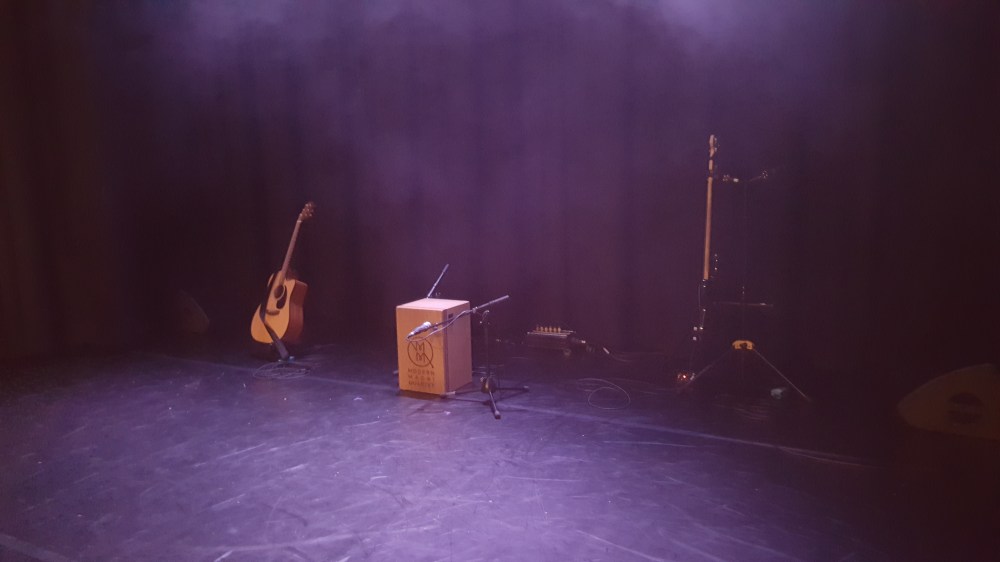
Travelling Teacher

Hi everyone!

Hope that this blog finds you all well?

I have added another layer to the blog as, the Travelling Teacher. I have now been teaching in Australia for 3 months and have been able to observe and take in all that is around me as a relief cover teacher in schools across Melbourne. This blog will be written when I have gathered enough notes on a topic, judged in my humble opinion and is purely based on observations & experiences. Please feel free to challenge, ask or comment about anything I write and you do not need to be involved education to do so. I have started with a topic dear to all of our hearts…communication! As you read this you will see that I may seem quite the hypocrite making use of social media to promote my story but you will hopefully agree with the method to my madness!

SacredPowerOfListening

Are you even listening..?

Today after a day teaching in a secondary college I got home and had to lie down. So I did, and instead of lying, ‘idly scrolling’ and running the risk of dropping my smart phone on my face (you have all done it!) I read a book…yes a real book with pages and printed words!

Words

We all live in a world where we see and hear words all of the time, probably more than ever before. By the way I am not going to add in any ‘googled facts’ or figures I am sure you can all do that in your own screen time…
So I have spent the day in a Secondary College in Melbourne teaching Physical Education and Health to a bunch of teenagers. Lets just say that this school was one of the better public schools I have been to. There is so much I have to say about teaching out here in general, but the topic today is communication and asks; “Are you even listening?”

Eyes

When you have lunch with a friend how often do you check your phone look down or just click the middle button to see if you have a notification? Unless you are friends with my dad, who still has a Nokia 3310 then I am sure that you will have experienced and or done this from time to time. I have noticed that it is now harder than ever to get eye contact, and harder still to maintain that contact as you speak to kids when teaching but also adults. If young people are not being spoken to by friends and parents with eye contact then they will not expect it nor give it when its so badly needed!

Ears

Now, if you are still reading, thank you as you have not responded to your brain’s urge to click on another link, read a message that has floated from the top or bottom of your screen or check who has your last instagram post. The art of listening, and I mean actually listening (now as I write this my phone just beeped, and again, I am fighting the urge not to click!) has been lost. Most people now listen with intent to respond with their wee piece, their opinion or even worse something they have just remembered that they wanted to say from another topic already discussed and closed. Our ability to maintain focus on one single topic at a time with the compassion and support for the person speaking has dramatically decreased. We crave constant attention for our every thought as our brains have become conditioned and spolit by the attention we receive at the click of a button. When we have to concentrate and listen to only one person we are experiencing an act of modern selflessness, as I now find myself feeling great when people actually stop and listen.
So what?

Well as my observations have become to much for me to just ponder over on my own, I took the opportunity to talk and listen with some senior pupils about the topic above. I am in a very privileged position in that I can turn up to a school as a cover teacher; observe, take notes, judge till my hearts content and then leave with my findings. Today my routine was no different, but to my surprise the content of my findings on the overuse of technology (especially that of social media) surprised me.

What happened?

Well it started out with the usual chat as a new cover teacher;

Class: “Miss where are you from? 

Me: “Scotland!” I reply, in my thickest of accents (cue the class trying to copy my accent).

Then the conversation turns to the work to be completed which I was told (with no way of checking) was all complete and they had finished assignments due for tomorrow…
Ok, so now onto my burning questions for the pupils who are all sitting with, a laptop each, phones out on the table and one ear phone in. This (to my teacher friends) a very common scene from senior pupils in a classroom nowadays.

I asked; “So do you actually get much work done with laptops out all of the time, or do you just have your work and lots of other tabs up at the same time?”

Eh yeah (Auzzie accent) if we are honest there is so much to distract us, and we don’t do that much work in class”, they reply.

What happens when they don’t get the work done? Well, they now earn a Saturday* detention for 3 hours! What, so teachers come in on the weekends? They do, and they supervise pupils during said detention. If you have worked in a school, or ever or been a detained pupil you will know the likelihood you turning up is pretty slim, especially on a Saturday!!

*the introduction of the Saturday detention is a copy cat move from public schools, wanting to build similar prestige to that of the private schools in the area.

The root cause

We all know that the use of an empty threat has a limited shelf life and having worked with children you know not to make that mistake if you are seeking for any sort of credibility. So what did the pupils think was the cause of the problem, why did they choose distraction over work…?

They had a couple of reasons, one being the fact that in Australia they have only 1 shot at exams to gain credits at the end of 12 years of formal education and this didn’t seem fair or achievable for some. The second and most staggering one, was that they were adamant that phones were the root cause. They were incredibly articulate about the cons of smart phones outweighing the pros. When I asked them if they wished that they had grown up in a different time they all (unanimously) said they wish they knew a time before smart phone technology!

They gave examples of times with friends, out for dinner at footie matches and parties when everyone is capturing the scene on their phone instead of living in the moment! They said that they find it difficult to connect with people and talk to new people they meet as there is a communication barrier.

Now what?

I managed to persuade the class to rein in the negativity and give me some hope and solutions. They asked what was different back home in PE and I told them about PE in December in Scotland! ‘Social Dancing’ was ‘youtubed’ and they looked at me in disbelief that both boys and girls are up dancing and not only is the dance floor filled, they are dancing together and holding hands!

One boy remarked; “They all look pretty happy, I wish we had to do that!

Then it hit me…these kids are missing out on the pure joy and delight of being outside their comfort zone, socially and emotionally (2 of the factors impacting on performance) that they have gone to social media for the kick. Now there is too much of a fear of failure, and that failure being recorded for all of the world to see, that young people are paralysed in a distracted and disconnected mess!

Who’s actually listening??

Now don’t get me wrong, I am well aware that young people will never have it the way we did growing up and getting your first mobile in your mid-late teens. With digital literacy starting as young as 3 in formal education with iPads in nursery, they will be the most tech savvy generation to have ever lived up to now,.

Refreshing to hear from these teenagers, that they still want the real life experiences that we grew up with and still hold dear in our memories! For some, these images they see of people ‘living life’ have been seen online, but never physically experienced. Today I listened and I felt some real uncertainty when they spoke about the future as they have access to so much information, they fear what is around the corner and if they will ever have jobs or need to drive a car!

I believe it is our job as educators, and one day as parents to prioritise the importance of building strong and sustainable relationships, and be true role models for them to learn how to connect in a human way. One boy said, that his mum has started a habit with her friends of putting all of their phones in a bowl when they come over. These are the types of habits that will be copied and allow our young people to use their senses to live and feel real life through their minds and bodies, not through a screen. I also believe that teaching leadership and interpersonal skills to young people is needed more now than ever as they enter a time of rapid change, and will need to maintain a strong base of support around them to feel safe and secure in their life choices. Learning about new technology will obviously be needed in order to be competitive in the job market, but this should not be at expense of real people skills and ability to connect on a human level.