
The start of any journey can be daunting prospect… let alone the thought of leaving full time work to travel for an extended period of time!
We have spent some time planning, dreaming and realising what is doable within our timeline and budget. These decisions can be easily made – if it is on the bucket list then we do it. A budget will be tested for its robustness and readiness if you decide on the road that you want to spontaneously spend you hard earned cash on an extra experience.
Here are a few tips from us (which will grow and change) about how to save up and plan your trip;
Section 1: Saving and spending
There are a few things that you can change day to day which will make a difference to your overall savings. We have tried and tested a few of the following methods which make it easier to save up the pennies…
Work backwards

Decide when you want to go travelling and work out how many years or months you have. From there it is easier to work out a realistic saving plan and what is achievable in your timeline.
Record spending
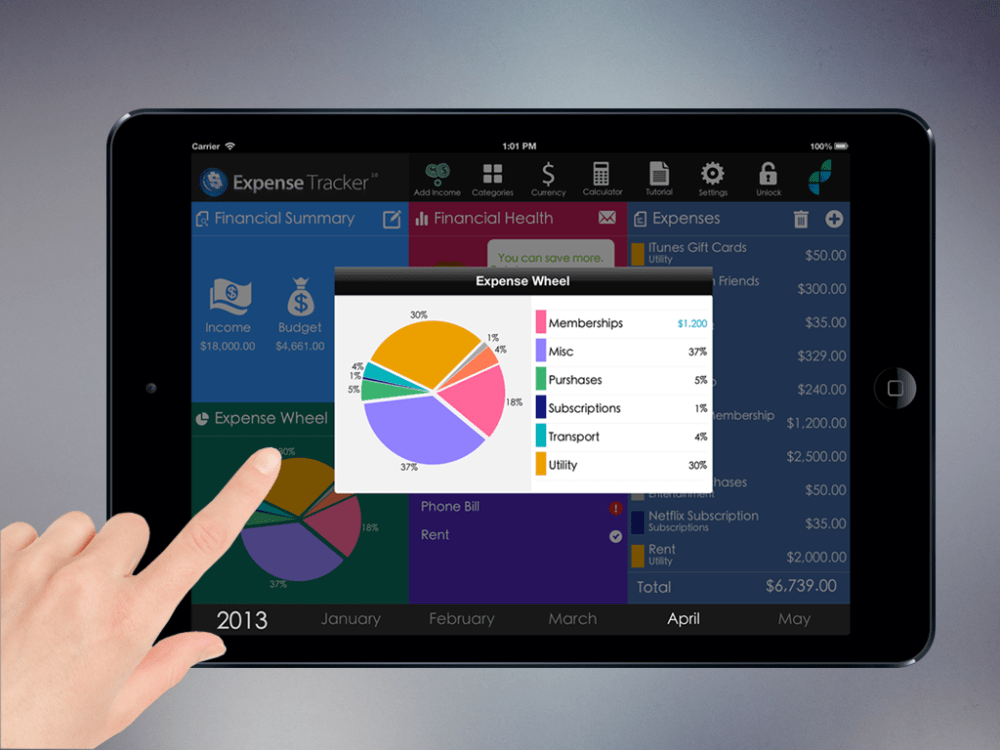
For a minimum of 2 months use an app like Expense Tracker 2.0 to track your spending throughout each month. Ask for receipts and track your spending live as you buy things to keep on top of spending records. It will be a huge hassle at the time and if you let the receipts pile up then it will become near impossible. Getting into a routine is key and after 2 years of using this app we have managed to stick to a realistic budget.
Create a liveable budget

Small changes will make a huge difference to potential savings each month. Swap the expensive recurring monthly indulgences like unlimited phone contracts, 2 TV packages, peak gym memberships, dining out and gourmet food shopping. The alternatives are much cheaper and provide the same stuff your looking for and you will still be able to afford a night out with friends. Make use of the categories on the app to set a spending limit in each chosen area.
The alternatives

When it comes to subbing in other brands for your monthly necessities you have to convince yourself its ok…Cutting back is not going cold turkey. Setting a food budget for the week will make a huge difference and going one weekly food shop instead of nightly trips to the supermarket. Buying in bulk also helps, food items such as rice (buy a big 5kg bag) and chicken (purchase a whole chicken and roast for the week)are good shopping habits. Making use of left over food is easy and there are plenty of recipes for exactly that on the fresh beet and other sites.
How does it work?
Saving is the easy part, not spending is more difficult. We transferred money into savings at the start of each month after being paid and then lived off our budget. We pretended that our savings did not exist and we were not tempted to buy things we did not need.
Birthday money, bonuses and second jobs should be extra money for saving not extra money to spend.
 Intuitive Design Sessions